

“It was 5 hours into the trip when I realized my hostess might be annoyed. 33 hours when I thought she hated me. 55 hours when I knew she would never speak to me again.”
In this edition of The Weekender: Vice’s demise, new acts of adult rebellion, and prolonged rejection with no escape


This week, we’re piercing our navels, visiting Nantucket as unwanted guests, and remembering friends and family in the ways we know how.

SOCIAL GRACES
On reading the room
The relationship between host and guest is often a tightrope, governed by unspoken codes of conduct. What happens when that social contract flies entirely out the window? Ariel Ehrlich, a self-described undesired visitor, investigates.

Etiquette: How To Act When You’re No Longer Welcome
—Ariel Ehrlich in Ari’s Substack
In an earlier essay, I expatiated on how to be likable as a guest.
But what happens when you follow each of my rules and your host still seems to loathe you?
Well, this weekend, I was confronted with that question head-on.
This weekend, I stayed with an old friend at her home in Nantucket, an island I’ve loved since I first set foot on it at the end of the pandemic. It is a deeply emotional place for me, the site of some of the best times of my life thus far. Likewise, the friend is someone whom I have long cherished.
But this weekend was not as spiritually Instagrammable.
At this point, I might disclose that I am by no means a low-maintenance guest. I wake up each morning with approximately 75 pre-breakfast opinions, tell an obscure story from when I was 17 like I’m being interviewed for a Ken Burns documentary, and have yet to come across a tranquil silence that I didn’t feel duty-bound to fill. If hosting were an endurance sport, I would be an Ironman race taking place in the depths of Hell.
Still, one might think they can count on old friends to enjoy their company, despite it all, but this weekend proved me wrong. I am sure that whatever went wrong, I had a hand in it.
I’m not exactly sure where I blundered, though. Nor am I sure how that blunder culminated in my hostess blocking me on Instagram. But we’ll get back to that.
Perhaps it wasn’t any one thing at all, but a thousand at once. A dozen people under one roof, a busy itinerary, little privacy, and exhaustion can make anyone far less urbane than they intend.
I followed all of my own rules:
I made my bed and left my room clean.
Left a Dear Annabelle In Bloom thank-you note.
Lugged flowers and scented candles from the Upper West Side to Sconset.
Thanked my host and her parents sufficiently but not gratuitously.
Displayed excitement and openness to my hostess’s plans.
Only referenced money to say that I’d pay Taylor Swift’s $20 million booking fee for my wedding performance. (And I’d say it again.)
But still, I found myself persona non grata.
I should tell you that it is a rarity in recent years that I am not universally loved. I’m not sure if it’s the fact that I’m quite “out there” (in the good way) or simply because I bring the tokenization potential of an obnoxious, pretentious gay Jew, but I find friends more often than I find foes. Perhaps my friends simply suffer from an irreparable level of Stockholm syndrome.
This weekend, my hostess had invited eight other friends from various corners of her life to join us, and I thought it was sure to be a fun, social weekend. I told my therapist how excited I was for such an adult experience.
At the outset of the weekend, I was wondering how I could possibly turn what I expected to be such a wonderful weekend into a Substack other than perhaps by expounding upon the Etiquette of Spending a Weekend in a State of Unfettered Joy. But the universe had different plans.
My mother stitched a needlepoint pillow that says, “I’m Not For Everyone.” My version would say, as one of my BFFLs, Alden, once told me: “Not Everyone Is Going to Be Obsessed With Me.” Though it is difficult to imagine, it is true. Not everyone finds my solipsistic, vocal-fried, Instagram-obsessed, racy, intentionally provocative self to be perfectly charming.
And that’s okay.
But when you find yourself trapped on an island with a hostess who seems to be counting the minutes until your departure, that’s of little comfort.
It was 5 hours into the trip when I realized my hostess might be annoyed. 19 hours when I knew she was. 24 hours when I lost hope. 33 hours when I thought she hated me. 55 hours when I knew she would never speak to me again. Despite realizing that there was no hope with two-thirds of the trip remaining, I continually tried my best to make myself likable and to be the best guest I could be. My friends at home were encouraging me to move up my flight a day earlier, and though I knew that my host would be happy if I did that, I didn’t want to start drama. Remember, this isn’t Temptation Island. It’s Nantucket Island. Go with grace.
One would be acting in poor manners to make the conflict obvious—to say the quiet part out loud. Even if other guests notice the tension between you and your host, there is no upside in playing the part of the Pew Research Center in polling them. When a perceived conflict rests between you and your host, involving others only creates a further source of drama for which you are responsible.
The most [well-]mannered suggestion I can make here is to continually do your absolute best to make your remaining time pleasurable for both yourself and your host. In other words, hydrate with rosé.

TECH

MEDIA
“I didn’t realize the price of writing online—my editors did”
Mitchell Jackson traces an oral history of one of the modern era’s most seismic magazines.
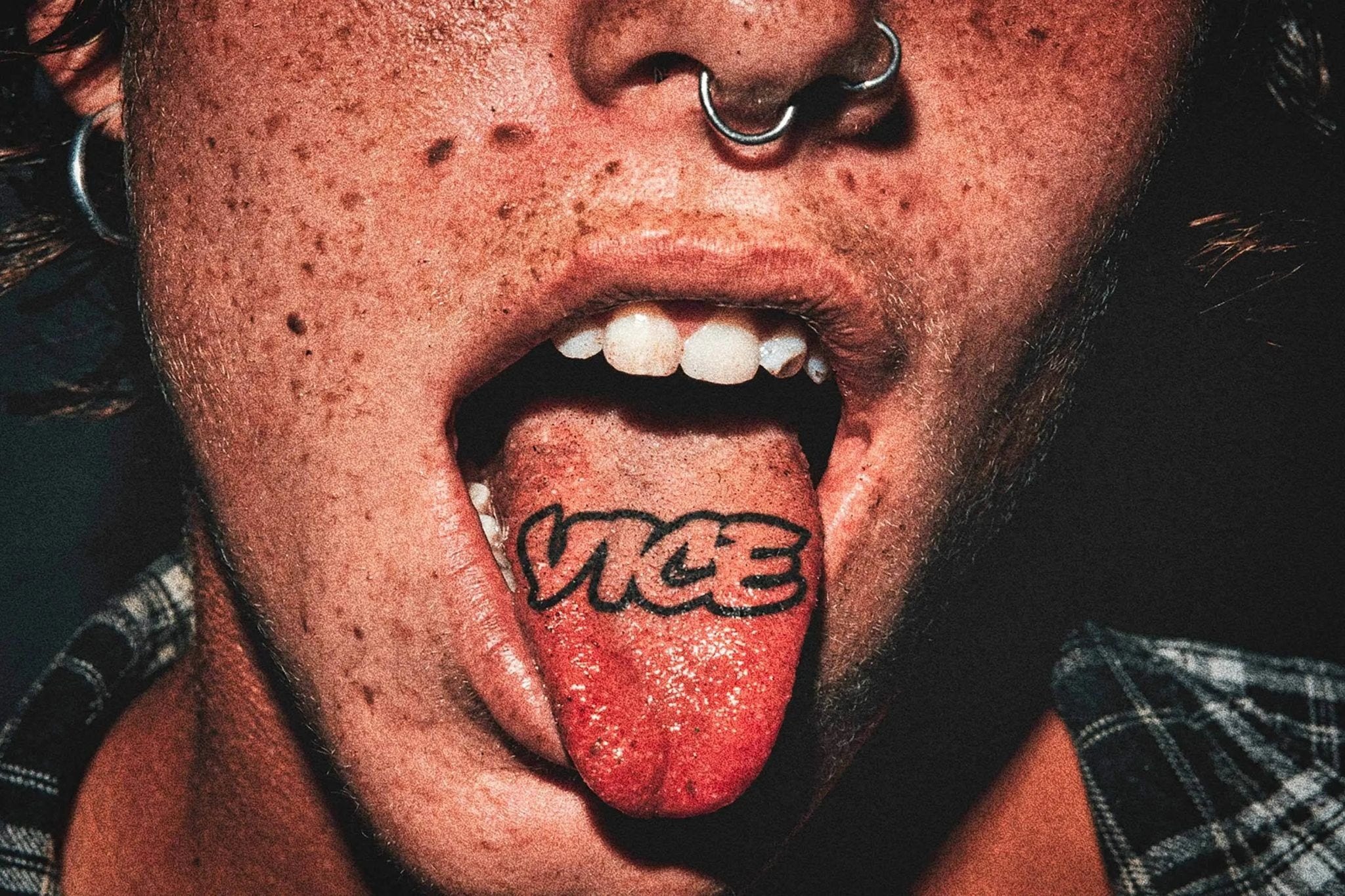
Inside the Coke-Fueled Rise and Fall of VICE
—Mitchell Jackson in Pirate Wires
Every morning, I log onto TikTok and scroll past a video that triggers my complex post-traumatic stress disorder. Most of these videos consist of a Zoomer skipping down Bedford Avenue to a Dirty Projectors song, past what once were Williamsburg’s hip warehouse clubs and are now Whole Foods and banks.
Caption: If I lived in Williamsburg in the 2010s and worked at Vice, I would be the happiest person on earth…
Vice would never have hired most of these Zoomers, with their straight hair and HR personalities. Vice would have made fun of them. I would know: In 2012, I was the youngest worker at Vice, making fun of such people. The company formed the most influential and traumatic years of my life. [. . .]
Zoomers think Vice—the magazine, founded in 1994, that basically created early-2010s hipster Americana—was the Y2K equivalent of Patti Smith’s Just Kids, the Chelsea Hotel replaced by the Wythe. They aren’t alone. Lately, a cottage industry of “experts” has emerged in an attempt to answer the question: What was Vice? [. . .]
To actually understand what Vice was, you had to have sat in our dusty white Williamsburg warehouse, where dildos flew over your head, weed smoke filtered through the vents, and, occasionally, your 40-something-year-old aging punk co-worker would show up with members of the Bloods, who stole your computer.
Those 40-something-year-old aging punks ran a bizarre business. The world knew Vice for its HBO show, magazine, viral documentaries, and Vice.com, a textual prelude to the “manosphere”—but the company operated a vast array of side hustles. Shane licensed the magazine all over the world (almost every week, it seemed, we’d discover a new Vice office in an Eastern Bloc country) and sold sponsorships to blue-chip corporations. (For instance, Unilever paid $20 million a year to sponsor a women’s vertical called Broadly.) [. . .]
Shane theorized that Vice would eventually dominate every genre and medium, from the internet to cable TV to film. But selling so many products confused audiences, and you can only con Unilever and other advertisers into sponsoring shiny new verticals so many times.
Mostly: Vice was a cult. It was also one of the best business schools in modern history. [. . .]
Everyone at Vice was a sociopath, nerd, or weirdo. I was weird enough.
Weeks later, an HR guy led me under the neon sign, up creaky stairs, past rows of video editing bays, accountants, and a taxidermied bear into a crowded back office filled with cardboard boxes. This was the dumpy editorial bay—the heart of the company. (Every team, except ours, had real office space.)
“Your job is to do what we say,” the associate editor told me. “You will transcribe. You will write blog posts. And you should get to know the old Vice issues...”
He pointed at cardboard white boxes stuffed with old magazines, as if they were junk.
“Who started Vice?” I asked an intern next to me.
“Shane and Suroosh,” he said, before whispering, “and he-who-must-not-be-named.”

SUMMER READING

REBELLION
Navel-gazing. Literally.
Alyssa Vingan uncovers convalescence where she least expected it: a piercing studio.
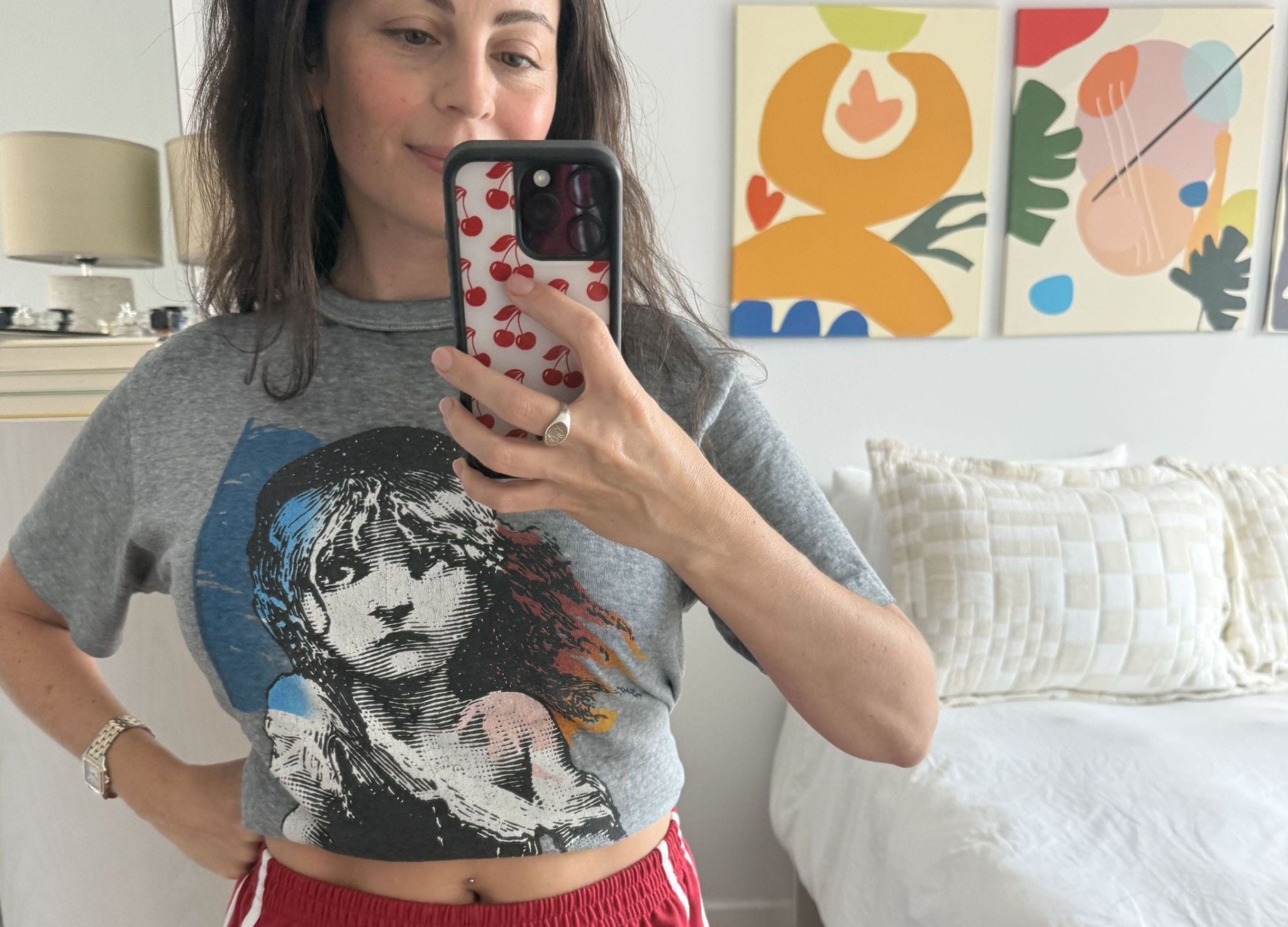
So there’s this belly button piercing that healed my inner child
Like most great millennials, I was raised on MTV. An outsized number of my childhood memories involve something I saw or heard on the network, which indelibly shaped my tastes. The first-ever PG-13 movie I was allowed to watch in a theater was Clueless, a couple of years after I met generational hottie Alicia Silverstone in Aerosmith’s “Cryin’” music video. Two of the earliest albums I bought with my allowance were Fiona Apple’s Tidal (1996) and Britney Spears’ ...Baby One More Time (1999) after seeing them on my screen after school. Despite their vast aesthetic and artistic differences, they all introduced me to one tantalizing thing in particular: a belly button piercing.
You couldn’t tell preteen me that there was anything more powerful and sexy than that tiny metal ring. I was enthralled by any navel piercing scene, whether animated into an episode of Daria or in the cult-classic bad girl spiral in Thirteen. I dreamed of growing up to be confident enough in my body to not only bare my midriff with abandon—keep in mind, this was the apotheosis of diet culture, before the current GLP-1 era made it look like child’s play—but also to let some guy I’d just met stick a needle through it without cowering in fear of pain. Plus, the more interested I became in fashion and style as I got older, any additional opportunity to accessorize my collection of surf shop baby tees and Hollister denim skirts was enticing. A belly button piercing personified being carefree but, most importantly, cool—the thing I longed to become most of all.
I remember soft launching the idea of getting a belly button ring to my mom in the early aughts, at the height of my Britney obsession, when my dance team friends and I memorized her video choreography in our rooms on weekends. Like most mothers would, she pulled out the big guns to dissuade me: She had a dear family friend who happened to be an OB/GYN warn me about the scar stretching out when I eventually got pregnant, becoming unsightly sometime in my distant future. When talking about my having a baby, it was never an “if,” always a “when”—like it was what I was supposed to do.
“Doing what I’m supposed to do” is one of the biggest through lines in my life, something that’s become uncomfortably clear as I approach my 40th birthday. People pleasing has shown up in both my personal and professional lives in a way that, in hindsight, has been detrimental to my happiness and, ultimately, my success—but that’s another (probably paywalled) essay for another day. Realizing you have a problem is the first step, but actually doing something about it is another beast entirely. This is why, almost 30 years later, I texted my longtime piercer, hopped in a Lyft to Greenpoint on a rainy Saturday afternoon, and finally pulled the trigger. It’s the type of spontaneity afforded to voluntarily childfree women.
My curiosity and desire had lingered for decades—what reason did I have to continue depriving myself? And what better silly, sexy summer activity for a single girl who’s trying to heal her inner child?

REGRET

THE WILD WILD WEB
Influencers offline
After a store in Nantucket posted a now-viral sign to ward off content creators, Kate Lindsay unpacks a new round of discourse about who the ire is actually directed toward.
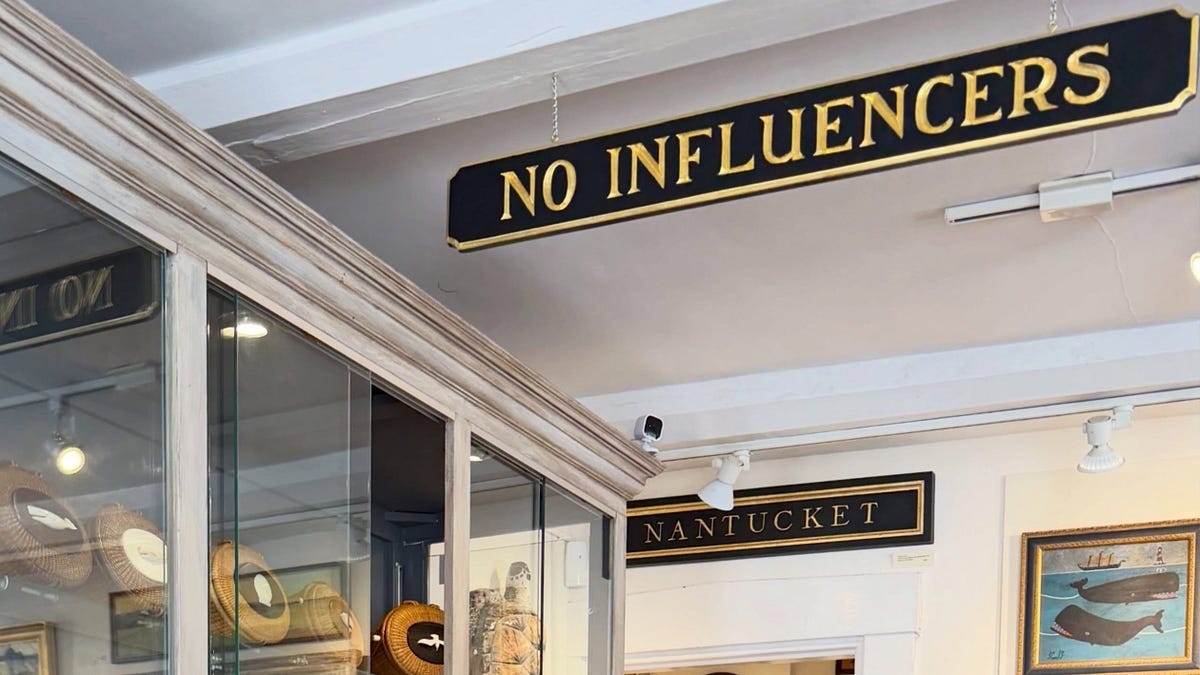
Does hating influencers mean hating women?
—kate lindsay in embedded
“Influencer” was not coined by any one person. It emerged organically out of late-2000s creator culture. And in my 10 years of talking to creators, it’s not a word any one of them has used to describe themselves. When it comes up, it’s usually with air quotes, or an apologetic wince. “I hate that word,” they say.
Is that because it’s sexist? This is the question after a store in Nantucket posted a “No Influencers” sign, prompting a disappointed response from creator (and fellow Nantucket business owner) Paige Lorenze. Creator Levi Coralynn posted a video saying that hating influencers is just an acceptable way to hate women.
Influencing is unavoidably linked to women. I’ve written before about how any time a woman is murdered or commits some kind of social offense or faux pas, the media slap the word “influencer” in front of her name whenever possible to justify breathless coverage of an otherwise private citizen. I also think it’s no coincidence that, as Levi points out, once women unlocked this career path giving them creative and financial independence over their own image and femininity, the first word for it became derogatory.
Now that the term “creator” has gone mainstream, it is worth asking why a publication or person chooses “influencer” instead. I do believe that reason is often sexism. John Sylvia, owner of the “No Influencers” store, told The New York Times that “I feel sometimes my store is used as someone’s background, a stage.” This is a legitimate gripe—but one that could have just as easily been addressed with a sign that said “No Pictures.”
In two decades, mostly female online creators have built an industry that dominates culture and commerce. You are not exempt from their influence, even if you don’t follow them (the Devil Wears Prada “cerulean” monologue comes to mind…). And yet creators are treated like gnats—scourges on a society that nevertheless actively consumes their labor.

COLLAGES

REMEMBRANCE
“We never have enough time”
Matt Hausfater creates a digital memorial for two loved ones who have passed on.
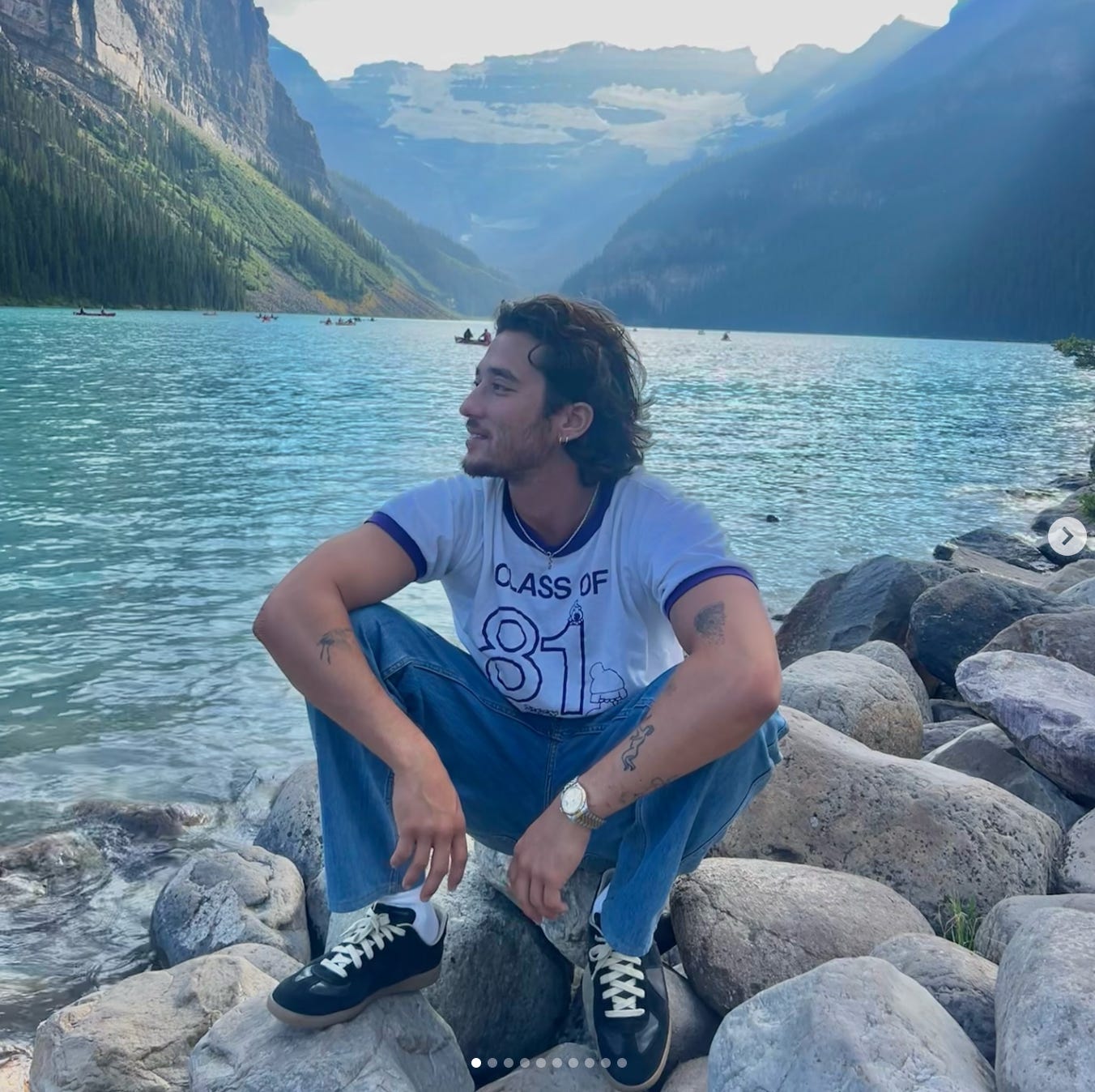
Remembering Sam & Mara
—Matt Hausfater in Matt+
One of the first things I told Sam was, “In the old days, before the streaming bubble burst, I tried to sell a network show every year. The networks are buying twenty pitches that they kill by Christmas… I could be one of those dead projects! It’s free money!” // “Let’s fucking go!” Sam said. A few months into our relationship he texted me while I stood in line at CVS. “Do you have anything for Zooey Deschanel? She wants to come back to TV.” I thought about it for a few minutes before realizing that holy shit, yup, I did—a workplace comedy set in a fictional Guitar Center. She would be the Jack Black in the School of Rock character. I sent Sam the one-pager and he sent me a voice note that I wish I still had. “This is perfect, dude!!! Sending to her team right now.” Within weeks I was sitting in front of Zooey, pitching her the show. She said yes before I could even finish my pitch. Sam did that. Put it all together. Connected the dots. Does what any good rep does.
The past six months or so, since January really, Sam had done a few things that made me question our relationship and whether it would last, and if he was a good fit. They are things that I’m not going to go into detail here, but when I look back on them through the lens of the tragic past week, it makes more and more sense. I questioned if Sam was on drugs. The last few times we spoke he sounded… different. He usually had such a positive outlook on Hollywood, even as it continued to contract. We would outlast this change. He would always say, “We’re going to be having a very different conversation come…” And even when things continued to suck, he was super positive… until the last time I saw him in person.
I went to E360 to participate in a table read. It was Day One of the World Cup. I remember because assistants and managers were all streaming the games on their phones. I texted Sam that I was in the building when the table read was over. He told me “AWESOME!! I’ll come down!” I told him I was coming up instead.
He came out to give me a big hug and took me back to his office. I sat down in the low-slung chairs opposite his desk and he painted a pretty dire portrait of the Town. Like I said, he didn’t sound like the Sam I knew. I left his office that day, standing in the courtyard of the building thinking to myself, “I’m not so sure if that is the attitude I like for one of my representatives.”
I had no idea what he was going through. We had joked a few times that we were both “SSRI bois” in therapy, but in LA, who isn’t? Everyone is on something and everybody has a therapist. I didn’t have a clue that he was struggling until the moment I got this text back from him as a response to something we were dealing with on the business side, the last one he would ever send: “Sorry I missed you end of last week. I’ve been dealing with some rather intense personal and health stuff and was about to let you know, but I’m taking a few weeks medical leave. If there’s anything timely, I have a couple of very capable colleagues who will step in. Looking forward to catching up with you on the other side.” I responded in kind, “Oh man. I hope you are okay. I don’t need anyone on your end… PLEASE GET WELL.”
It’s the “other side” bit that haunts me. I assumed he was referring to the other side of rehab, or wherever he may have been going. But upon reading it with 20/20 vision, I ask myself if he already knew then that this was the end.

POETRY
who’s the fool, fueled by a desire for
the fool is fractured, on a quest for a MacGuffin
absurd, right, yes, just, so, absurd, but
the fool is stretchy, Mr. Fantastic,
not as smart
who’s the fool, surrounded by pylons, there’re’re’re um,
houses, yes, houses, McMansions, origami unfolding
into swans, not the exotic ones, just a flaunting goose
could’ve said ugly duckling, who’s the fool, someone
who wishes
because i said so, temperance, tantrums
crying during mini golf
but always loves the sky worlds, one more
chariot derailing, one more (please)
empress proud, one more
hanging pear, one more(?)
go to sleep, darling

Substackers featured in this edition
Art & Photography: Michael Chesley Johnson, The New Yorker, Victoria M, Riley
Writing: Ariel Ehrlich, Mitchell Jackson, Alyssa Vingan, paige hettinger, kate lindsay, Matt Hausfater, cooper devine

Recently launched
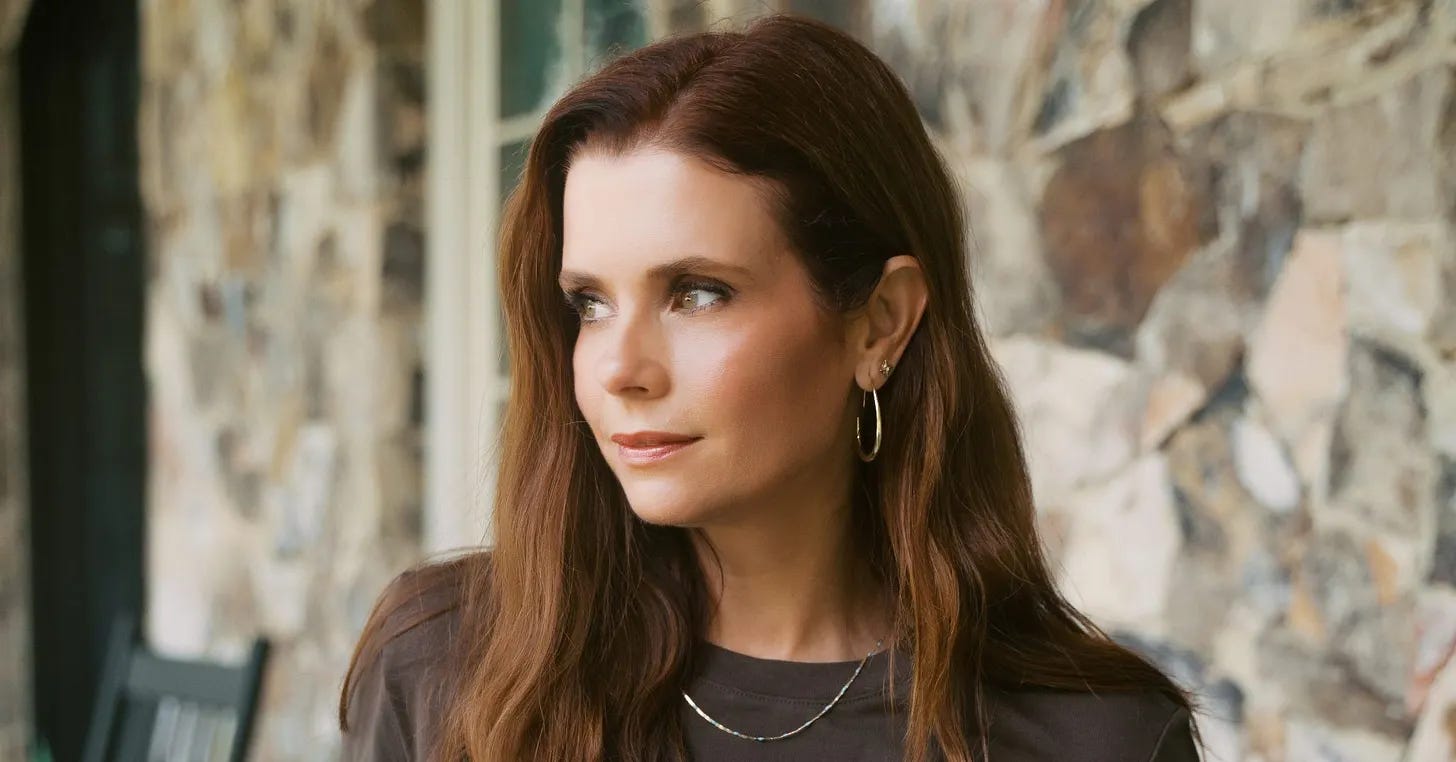
Actress Jo Garcia Swisher has launched Rolling Clover, a lifestyle publication, on Substack.
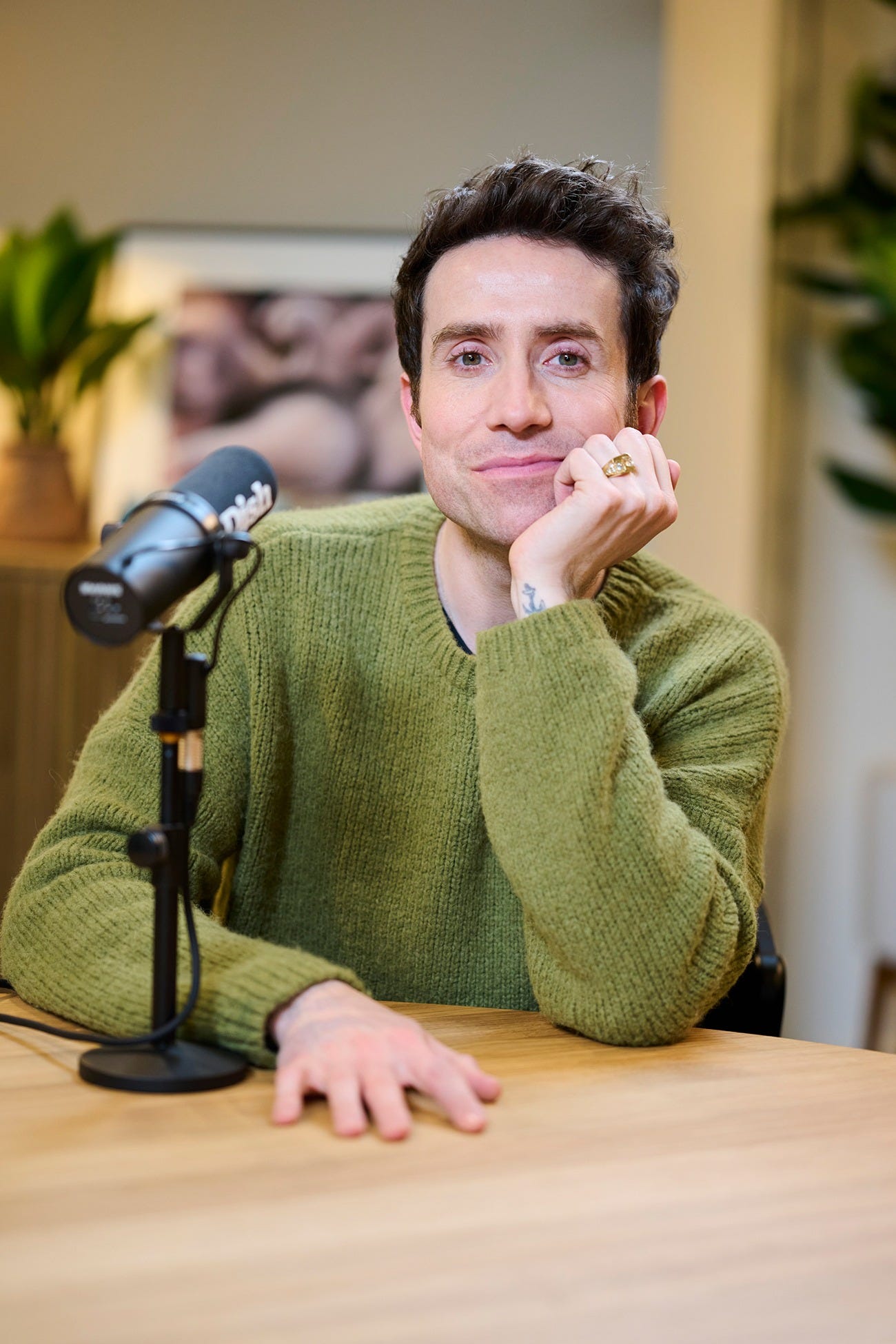
Nick Grimshaw, a British DJ, television presenter, and podcaster, is now on Substack.

Sports investigative journalist Charles Robinson has launched NFL Blue Book on Substack, where he’ll cover news from across the league.
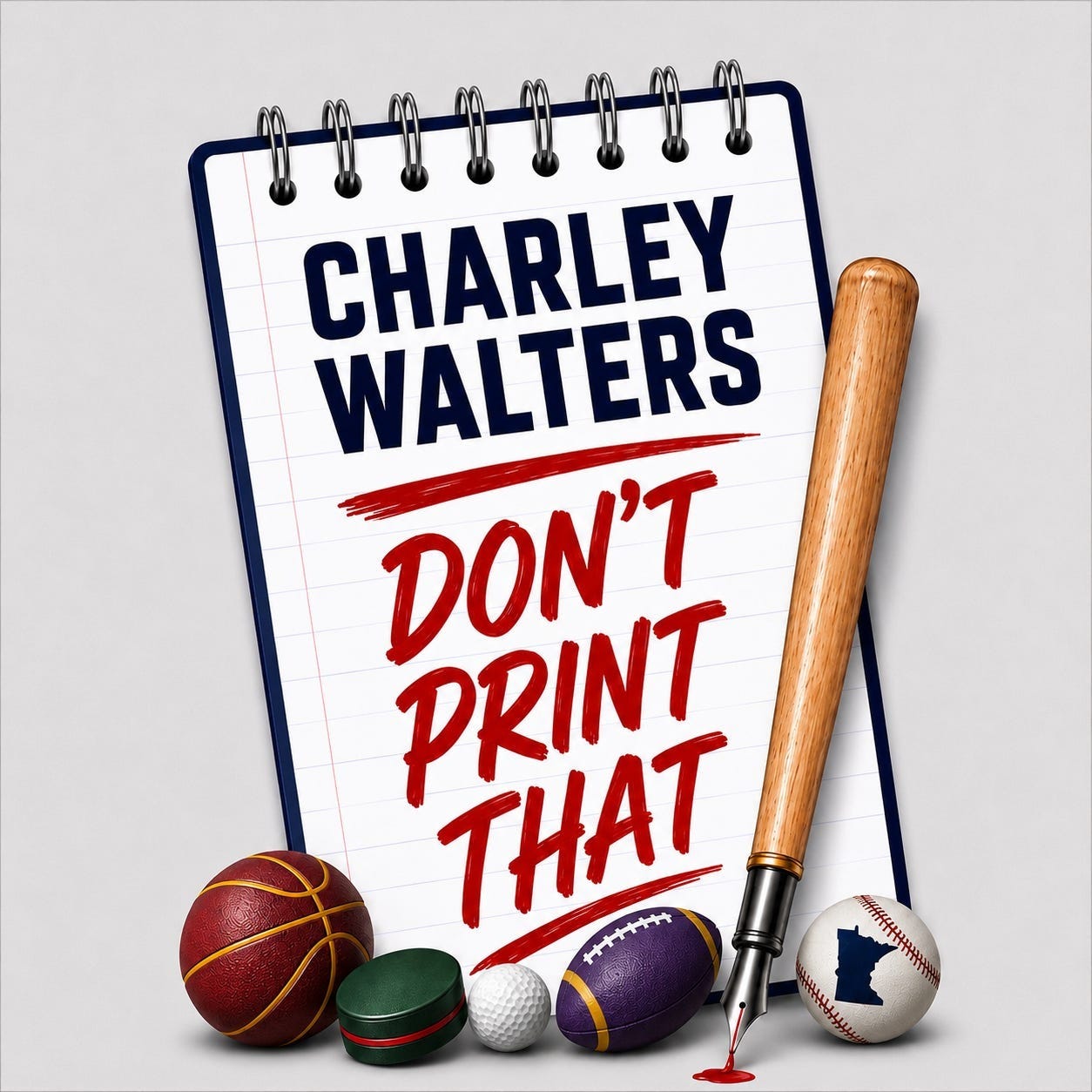
Charley Walters, a former MLB pitcher and writer at the St. Paul Pioneer Press, has started a Substack to bring fans up-close access to all the Minnesota sports teams.

Inspired by the writers and creators featured in the Weekender? Starting your own Substack is just a few clicks away:

The Weekender is a weekly roundup of writing, ideas, art, audio, and video from the world of Substack. Posts are recommended by staff and readers, and curated and edited by Danya Issawi out of Substack’s New York office.
"have yet to come across a tranquil silence that I didn’t feel duty-bound to fill" ... That's not high maintenance, that's just hugely annoying.
That you wrote about it in Substack, and your hostess might read it, supports the persona non grata status.