

“I have never felt very comfortable with the stance that writing, as an undertaking, is both very difficult and emotionally intolerable”
In this edition of the Weekender: vows of silence, teenage idols, and exploring whether writing is actually torture

This week, we’re injecting fun back into the writing process, discarding outdated personal opinions, and watching Adele (the singer) become a Dell (the computer).
THE ARTIST’S WAY
“In every job that must be done, there is an element of fun”
Julie Andrews (as Mary Poppins, of course) sang it first, but Monica Heisey is putting it in writing.
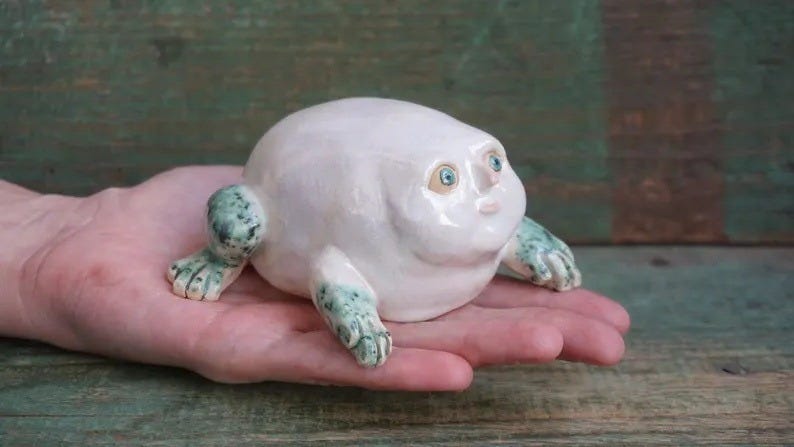
WORK: it’s supposed to be fun
i have never felt very comfortable with the stance, held by some writers, that writing as an undertaking is both very difficult and emotionally intolerable. while i understand there is plenty about being alone with your thoughts, sharing your ideas in public, and attempting to take something from inside your mind and bring it into the physical realm that is uncomfortable, it is not difficult like digging a ditch. it is not intolerable like having your heart broken, or even like having a sunburn. when people say things like “writing is torture,” i often think, if you really feel this way, why not do something else?
i encountered this line of thinking so frequently in the early days of my career that it occasionally caused me to doubt myself. i loved writing. i couldn’t believe i got to do it for a living, and found it, often, actively fun. did this mean i was doing it wrong, somehow? was there a more arduous and therefore more correct method that would lead me to create stronger work? if suffering for one’s art provided no special benefit, why were writers i admired constantly tweeting or appearing on panels to say their working life was hellish and exhausting?
to this day there is a little voice in the back of my mind that pops up once in a while to suggest i am shirking “real work” by enjoying myself. i was immensely soothed to see ali smith, an objectively wonderful writer with a prolific output, call herself “immensely lazy” in an interview at the hay festival, holding a beer and suggesting she doesn’t really work until she has a deadline and a paycheque scheduled, adding that she “does basically nothing until she has to” and considers staring into space an important part of the creative process. there, i thought watching it, is someone who is enjoying their working life.
this is not to say that i do not have bad days, or that i am immune from complex feelings about, in particular, the “putting it out into the world” part of writing. in the last week of editing my most recent novel i dreamt every night about dying or being murdered or murdering someone else. one night i physically felt the tip of my nose touch the lid of my own coffin as it closed over me. it was not, let’s say, “chill.” but the actual writing, in the day, sat up in bed and combing through pages, killing only my darlings, was almost pure pleasure.
so! four paragraphs of bragging about how i loooove to work and have sooo much fun doing it… this is insufferable, you are probably thinking. i hope this bitch gets back into her own coffin and stays there! give me a minute. i have tips.
outline, then follow your nose
working in tv has trained me to outline very intensely, which was at first annoying and time consuming but which i have now come to realize means i have done most of the difficult work (figuring out what to say, rather than how, which is the fun part) by the time i sit down to properly write, and crucially allows me to jump around in the draft without damaging its structure. once i have my outline, i write everything on it that seems the most fun first, depending on my mood, the weather, the amount of time available on a given day. there are inevitably less exciting parts of every draft to write—depressing bits, events based painfully on real emotional experiences, interstitial passages that tell the reader how much time has passed, etc—but if you’ve accumulated enough scenes you are proud of, you’ll be pleased to connect them with the less interesting work.

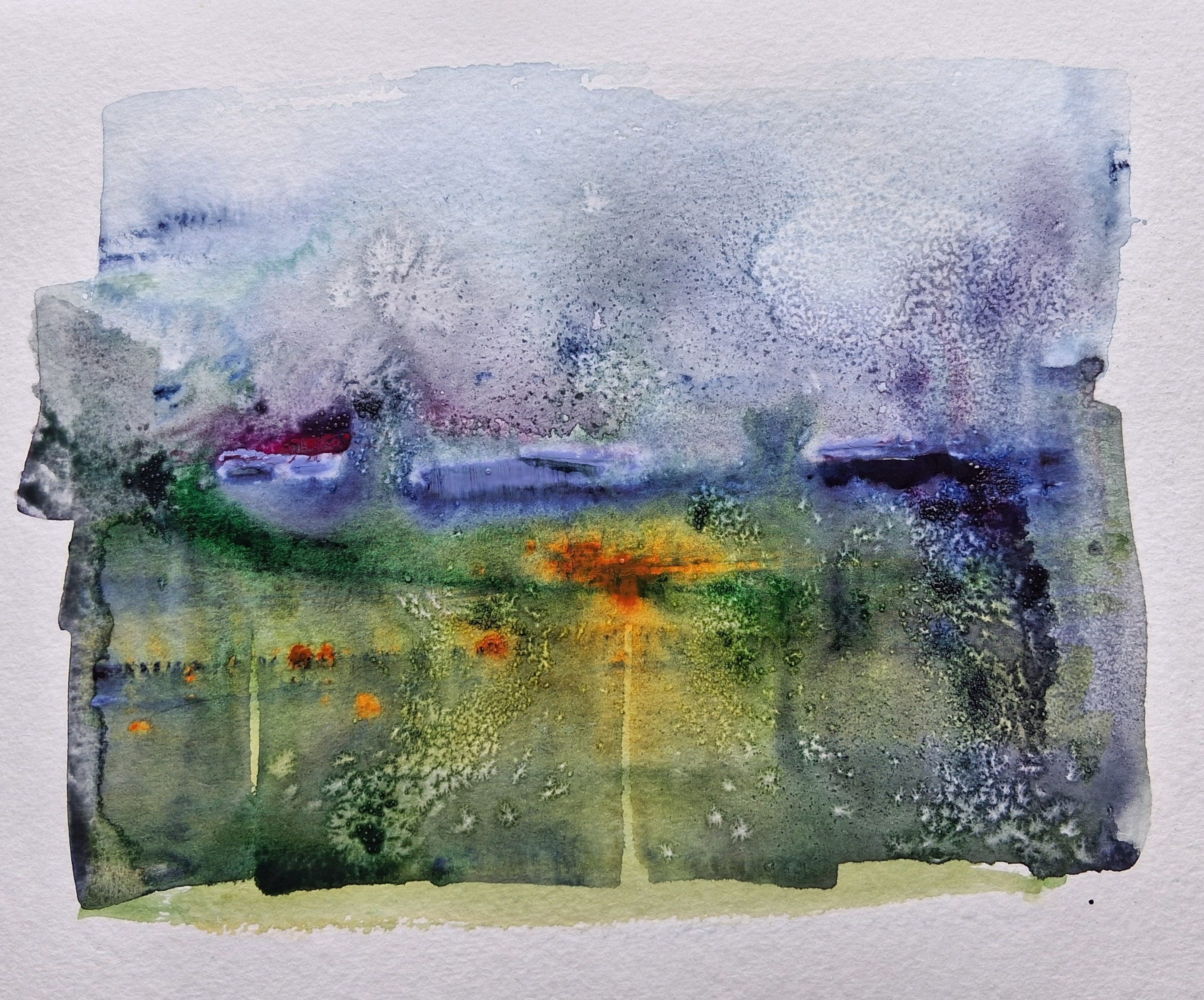
FLORALS

REHABILITATION
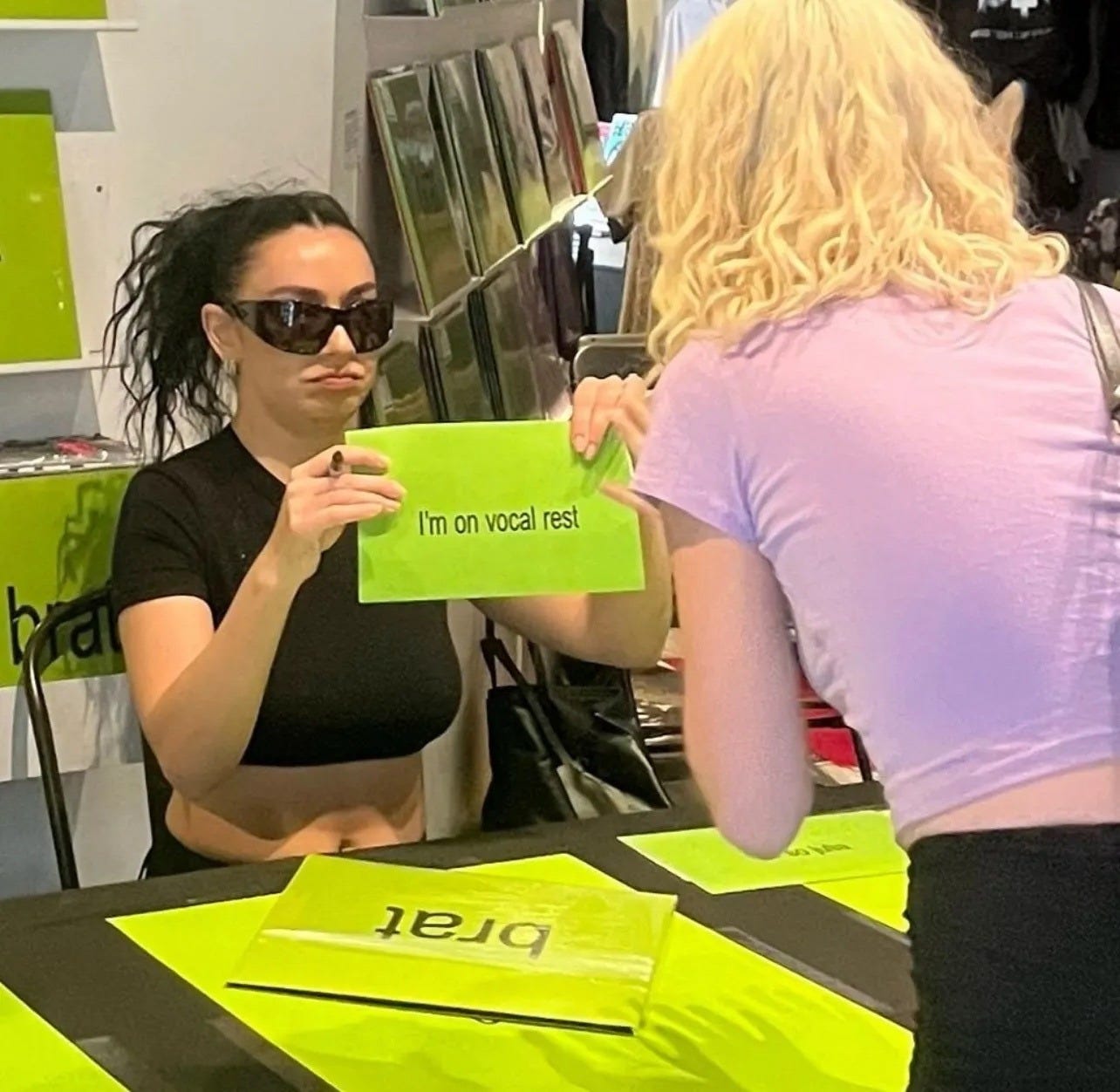
My stint of vocal rest and relaxation
A Lady Gaga concert, four flights, and a day on set filming a documentary: Brendon Holder’s vocal cords have taken a beating. Now, at the urging of his ENT and speech therapist, he’s tuning his chatter to a new volume.
Small Talk
—Brendon Holder in Loosey
I lost my voice two months ago and had to go on severe vocal rest. I “served” some of it back in Toronto, and I’m only just getting back to normal. The ear, nose, and throat doctor shoved a camera scope down my right nostril and confirmed that I have a polyp on my right vocal cord. When I saw him over a month ago, he told me that I must reduce speaking immediately to avoid surgical intervention. The doctor prescribes me weekly sessions with a speech therapist and commands me to avoid smoking (lol), fried foods (nice try), sending voice notes (devastating), and soda, the latter of which I hold out on for three whole weeks.
As of today, I have had five sessions with the speech therapist in a small white office at the southern tip of Manhattan. She records my progress through a headset microphone that makes me feel like a pop star whenever I wear it. In our sessions over the last five weeks, I practice making “vvvv” and “mmm” sounds. I blow bubbles from a straw into a small cup of water and practice “speaking towards the front of my face.” I feel like a toddler, or an alien learning to be a human. Miraculously, it works.
We discover that I lost my voice after a series of unfortunate events. The inciting incident was Lady Gaga’s “Mayhem Ball” at Madison Square Garden, where I sang along (loudly). This was followed by a quartet of long flights shortly after: a 36-hour trip to Los Angeles to meet with a podcast host, followed by a dry-aired flight to Tokyo to film a documentary. It is my speech therapist’s theory that on those flights, I became a victim of the altitude’s dehydration, which only made my voice hoarser.
During that period when I unknowingly ruptured my vocal cords, I never once stopped talking, making conversation everywhere I went, both small and tall.
Once on vocal rest, my talks become smaller. Brevity is a virtue. I’m not supposed to speak louder when someone interrupts me, and, in the beginning, I find this incredibly frustrating. There are times when I forget that I’m supposed to be reducing my vocal load: in a heated debate over dinner, when my favourite song plays at a Yebba concert, during the carols of a wedding. Most injuries are music-related, I realize. It’s hard to be quiet in a city as loud as New York, but soon I become used to it. Soon, I even enjoy it.
I pull someone in close to speak to them, not wanting to compete with the background chatter of a restaurant or the loud music of a party. It becomes more challenging in groups when I can’t project my voice to the masses. I worry that people will think I’m being exclusionary as I direct my short bursts of conversation to one person and not a group, a small-talk faux pas.
But there’s something refined, even sensual, about speaking softly and not adjusting your volume to what is around you.
TECH
ILLUSTRATION
On becoming an online legend when you least expect it
An artist’s accidental role in one of the internet’s most enduring memes.

I Made the Animorphs Covers. I Did Not Expect This.
—David Mattingly in My Adventures as an Illustrator
I’ve been doing cover art for over fifty years. More than two thousand covers, by my last count. I’ve painted for Baen, Bantam, Tor, Del Rey, Scholastic. I spent seven years as a matte artist at Disney. I’ve done space operas, military science fiction, horror, fantasy, kids’ series. I painted the Heroes in Hell series. I painted the Honor Harrington run. But the thing I am most remembered for is the Animorphs covers.
My students at Pratt Institute and School of Visual Arts don’t believe me when I tell them I did the covers. Adults go wide-eyed at conventions. Even though the editions with my covers are long out of print, Animorphs is still around. I am surprised by the continuing presence of those covers as internet memes.
Sometime around 2012, someone on Tumblr photoshopped one of my covers to show the rapper Pitbull transforming into a pit bull. It got reblogged tens of thousands of times in a week. Then someone made Adele morphing into a Dell computer. Then it was everywhere.
I am continually amazed by this. The specific way they became famous is not a way I could have planned. The generation that grew up with them reached the age where you make jokes about your childhood at exactly the moment when the internet rewarded that kind of joke.
The format is simple. Start with a person, then transformation, then animal.
Anyone can replicate it with the cover design as a template. The pun structure, Pitbull into a pit bull, Adele into a Dell, maps perfectly onto what the covers already do. Little did I know that I would spend time creating a format specific enough that strangers could repurpose it for jokes. That is not what I was trying to do, but I’m not going to pretend it isn’t a form of success.
ATHLETIC DRIP
CULTURAL CRITICISM
Olivia Rodrigo and the girls who came before her
Eliza McLamb, a musician herself, examines what it means to be a teen girl in the spotlight.
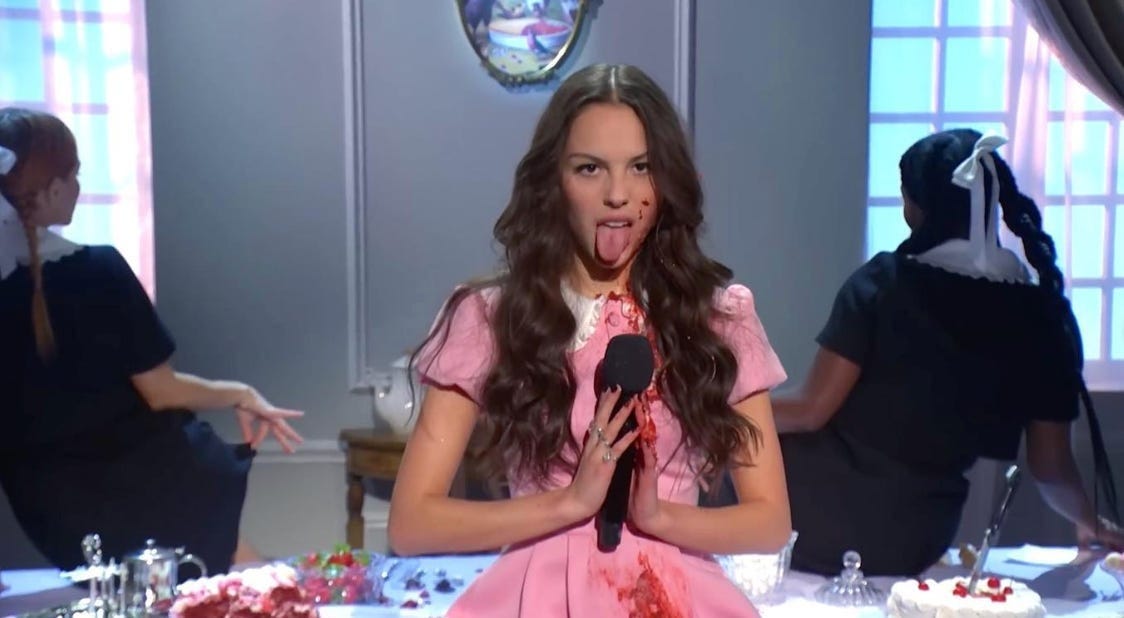
The teen idol survives
—eliza mclamb in words from eliza
The teen idol has a tragic legacy. She’s a famous child, working while her peers are befriending one another and developing identities in small containers. Her container is big, bigger than the stage or the television screen. Her container is the industry, the internet, the world. Normal children are unlucky enough to shoulder the burden of their parents’ expectations, but she is gifted the responsibility of considering the fans, those reaching creatures that supposedly give much more than they take. Though they sure seem to take a lot. The famous child is generating income that is solely dependent on the maintenance of a personal brand while that brand goes through puberty and changes in immeasurable ways—physically, hormonally, psychologically, and spiritually. The famous child is debated about, decided upon.
When I was young, I was obsessed with a Marina and the Diamonds song called “Teen Idle.” It’s about being a teenager and wanting to be adored and also wanting to die, because being depressed is sometimes the closest we get to embodied living, and because death is what happens to girls who are adored too much. At twelve, I understood every word and sang along with fervor: “FEELING SUPER SUPER SUPER SUICIDAL!”
This kamikaze impulse is part and parcel of being a teenage girl, that maniacal high of wanting what you want so badly that you must also imagine yourself destroying every piece of it. Coincidentally, and unfortunately, this is also how we feel about the teen idol herself.
I think Olivia Rodrigo is awesome. The music is undeniably, consistently great, and Olivia’s attitude towards the process of creation is one of the most heartening perspectives in the industry right now. She’s a self-described fangirl who embraces all the best aspects of loving something, which is to say that she makes an effort to be a part of, and therefore enrich, the thing itself. I imagine that it would be easy to become wildly famous and immediately distracted by the access, the money, the shoes; Olivia has great shoes, but she also utilizes the better parts of such ascendancy by collaborating with her idols and taking her work seriously enough to merit putting herself in conversation with them.
In a music culture of self-flagellating individualism, algorithmic wars of attrition, and watered-down trend cycle regurgitation, Olivia stands apart by having clear references and being unafraid to reference them. She plays the game, but has her terms; in her most recent album cycle, she prioritized live debuts over the increasingly popular, endless waterfall release of singles, trying to chance the streaming algorithm. A clear believer in art as work, she’s collaborated with several artists across mediums over the course of her most recent campaign and prioritized a cohesive visual language above a one-off viral moment.
Olivia Rodrigo is completely special on her own accord, unique in a way that is irresistible to young teen fans and established music critics alike. And she is also a fascinating composite of the women who came before her, women who macheted through the jungle that is our mad culture. I realize that I have a problem with narrative, with wanting bad things to lead to good things, and for an inevitable conclusion to arrive and make all the pain ultimately worth it. But it’s hard not to look at the arc of Olivia’s career and see the women who made it possible, women who struggled against the tide so as to make space for a teen idol to finally survive intact.

PAINTING

CH-CH-CHANGES
U-turns fully encouraged
Humans are fickle creatures. Ayan Artan says that’s just fine.
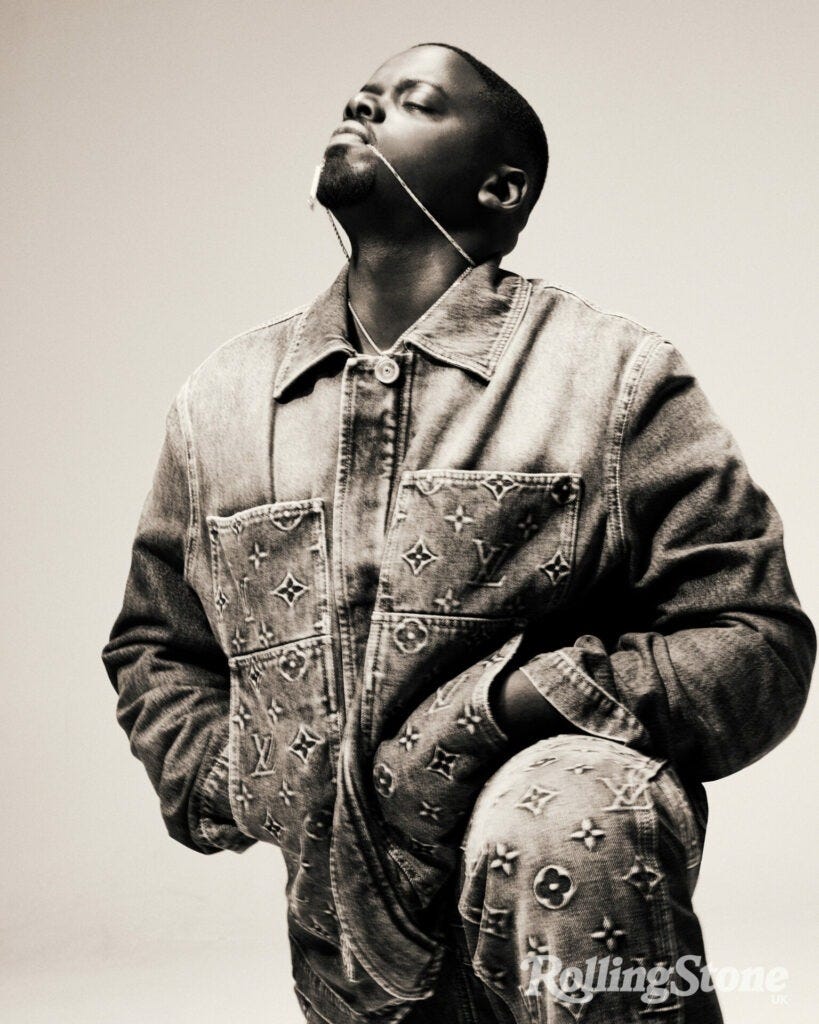
things i’ve changed my mind about.
—ayan artan in rent free.
double denim.
debuts having to be good. witnessing the debut is quite literally gathering around a sapling, puzzled at its blatant infancy. how odd to expect anything remotely complete from an artist just beginning to give themselves permission to create. voice and perspective are earned. we should give artists the time to earn them.
olives. they’re delightful little pebbles of umami. i was merely a tasteless freak.
productivity. you are not a machine whose value depends on output. you are a person. living is the point, not figuring out how much you contribute to your country’s GDP.
addison rae. i’m charmed by her grit, her hunger. striving looks good on women, especially ones who know how to resourcefully turn infamy to their advantage. she surprised me. her take on taste being a privilege set off a lightbulb for me. i’m rooting for her.
the idea that art saves lives. i think people save themselves. all we do is reflect our audience back at themselves. we cannot conjure up from within you a strength that you do not already possess.
men in arsenal jerseys. if you can support the same team for eleven years, there’s a hidden emotional strength within you i would love to test the limits of.
the beach. i have always hated sand, but i have of late been daydreaming of our shores and lido beach and somali mermaids and pearls. perhaps i don’t hate beaches. perhaps i only hate the ones away from home.
revisiting work. you are not the same person you were a year ago. there are a thousand versions of every film, every book, every album. it cannot be a waste of time to see what new thing reveals itself to you. it’s perhaps the critic in me but give yourself permission to change your mind.

TREND-SPOTTING
Substackers featured in this edition
Art & Photography: Jennifer Eddie, Molly Ford, Alya James, Audrey Kalman, HouseofGold🌍, lindiva
Writing: monica heisey, eliza mclamb, Brendon Holder, David Mattingly, ayan artan

Recently launched
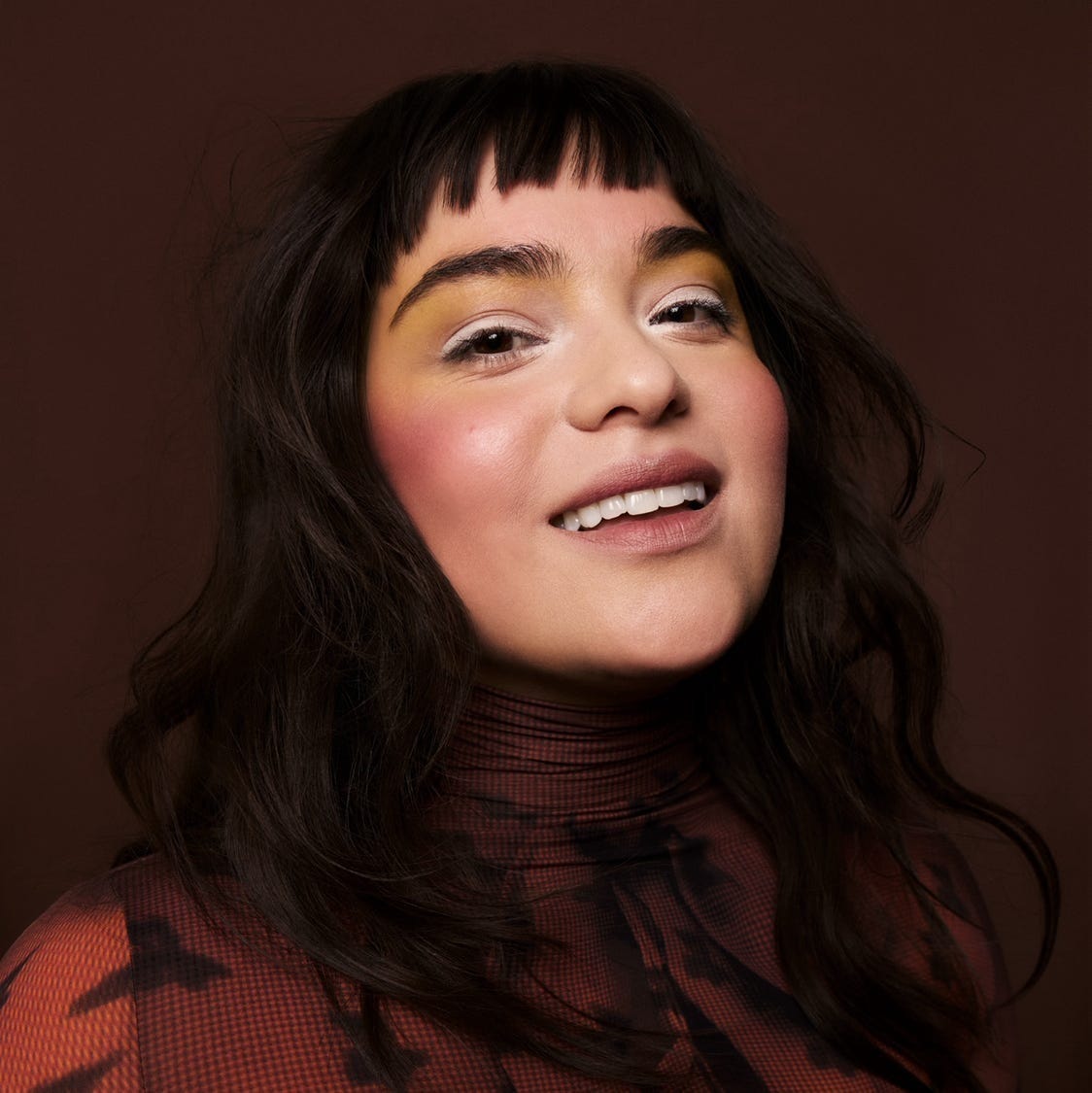
Devery Jacobs, an actor, writer, and filmmaker who has worked on projects like Reservation Dogs, Backspot, Marvel’s Echo, and Rhymes for Young Ghouls, is now on Substack, exploring “creativity & style, queerness & identity, Indigeneity & family, love, sex, grief and the ways we try to make sense of our messy-ass lives.”
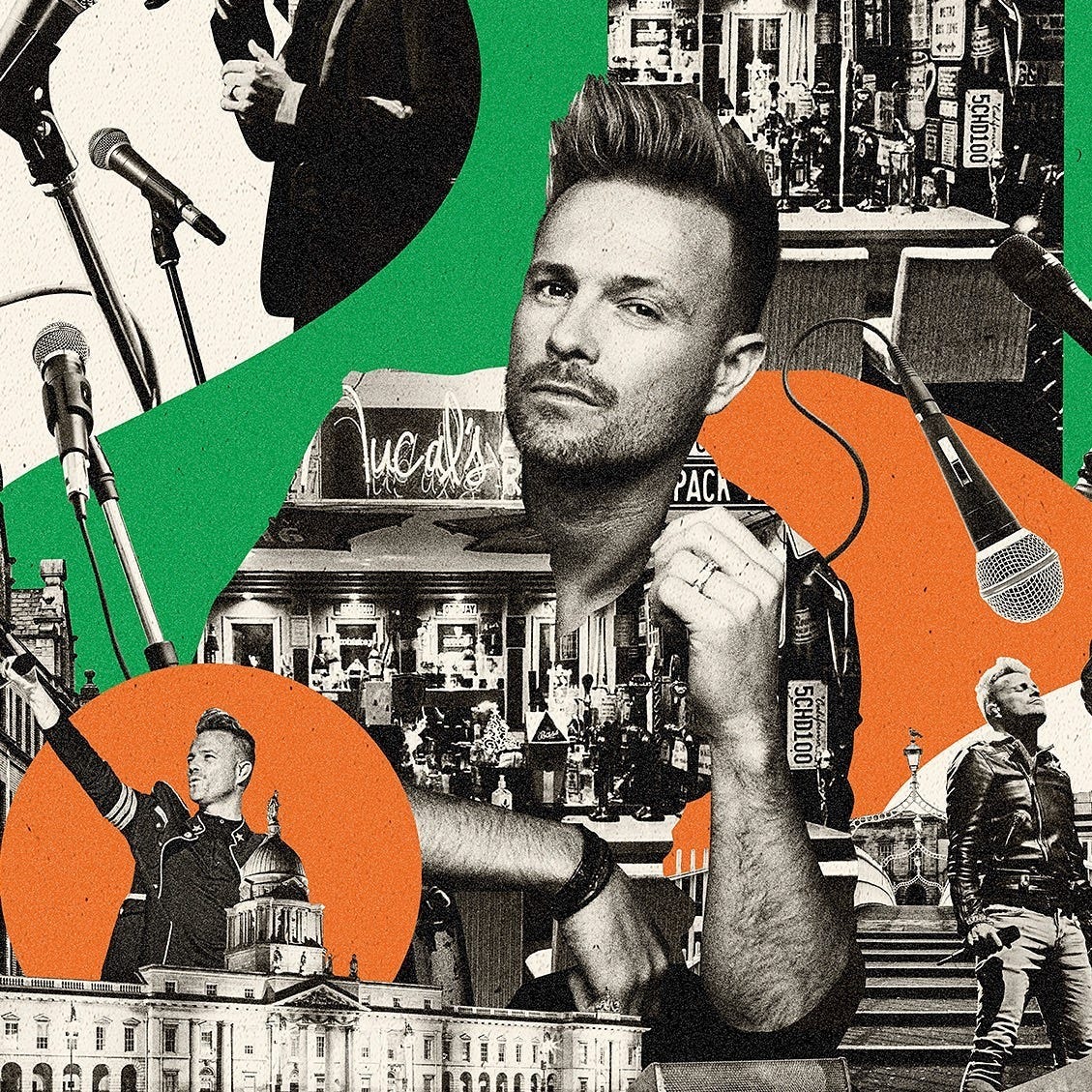
Nicky Byrne, a singer, songwriter, and member of the band Westlife, is now writing and podcasting about music, soccer, and family on Substack.
Journalists Jason Langendorf, Eric Raskin, David Greisman, Bill Dettloff, and more have come together to launch The Good Fight. The new publication has resurrected the former ESPN/Grantland Ring Theory podcast and is using long-form video to tell boxing stories from across the world.
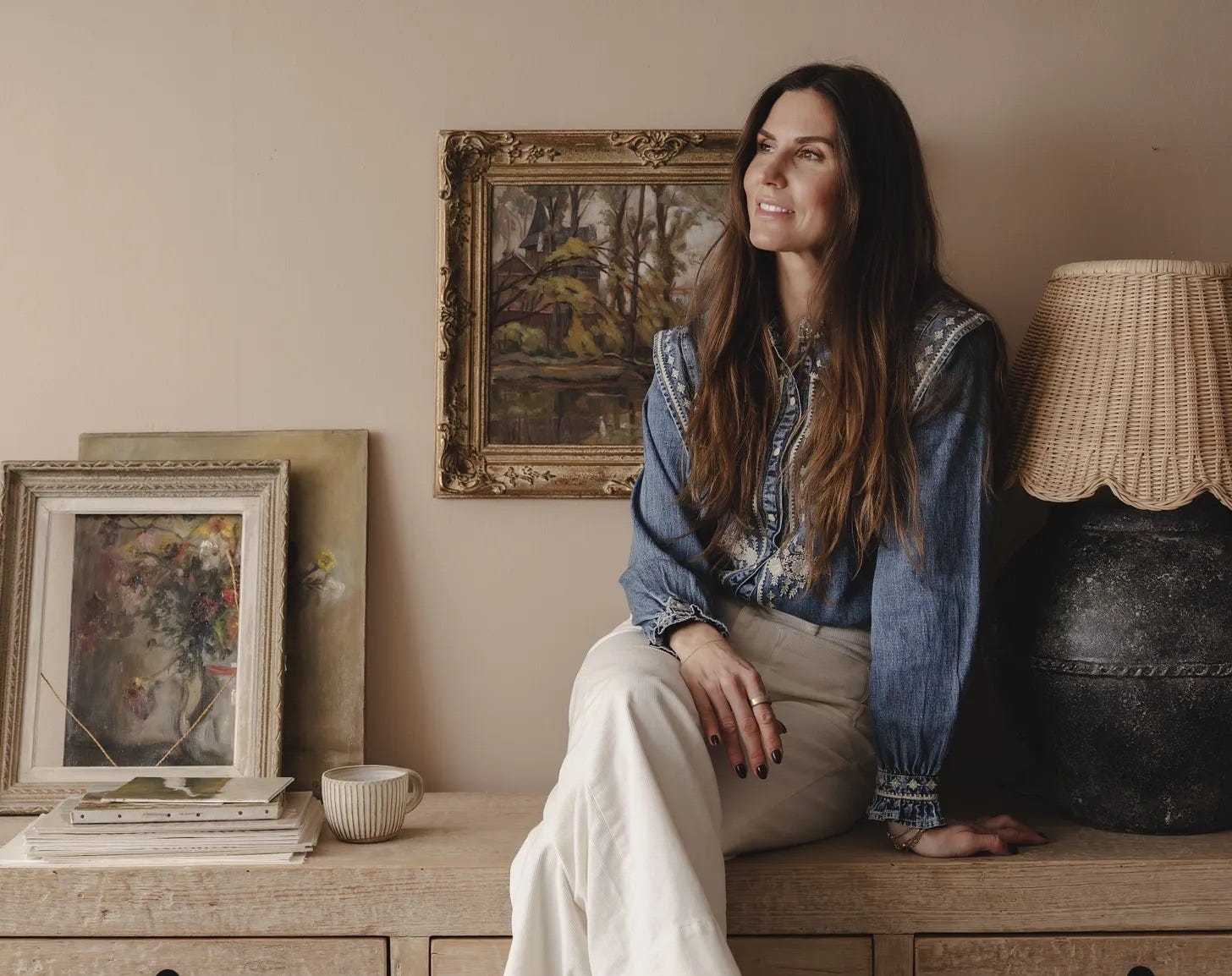
Jojo Barr, an interior designer, author, and the founder of House Nine Design, has launched No Place Like Home. It will feature essays about her “wonderfully chaotic life” as well as “educational content, curated edits, and the insider interiors thinking” she shares with her clients.
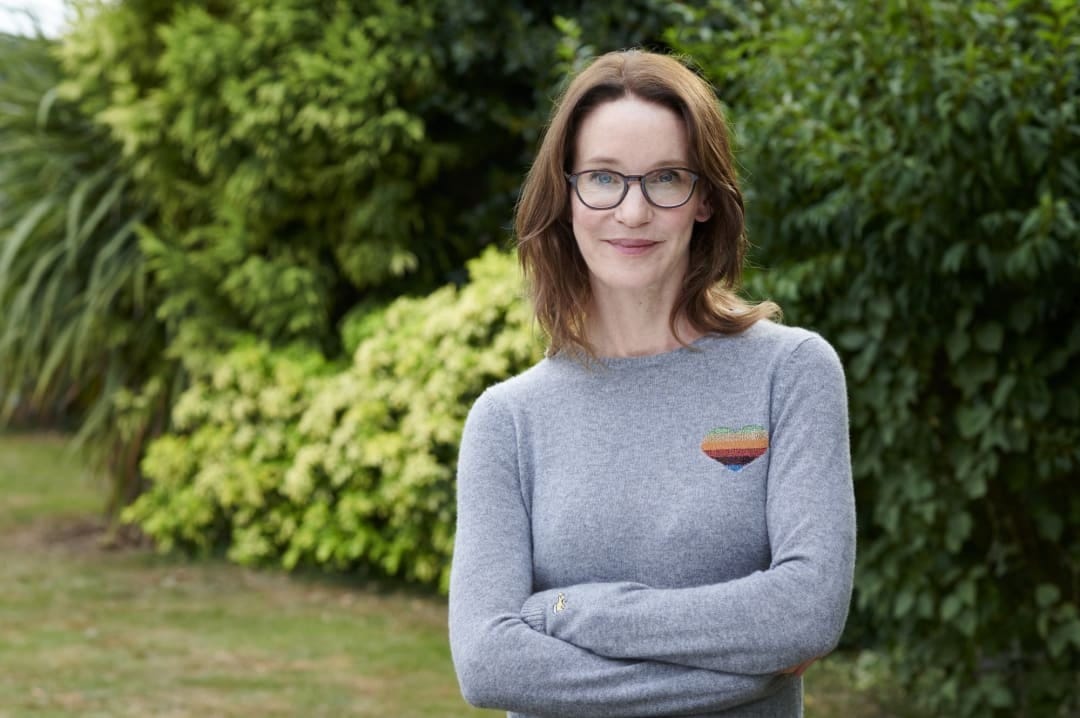
Susie Dent, a lexicographer, etymologist, author, and resident word expert on Channel 4’s long-running quiz show Countdown, is now on Substack.

Inspired by the writers and creators featured in the Weekender? Starting your own Substack is just a few clicks away:

The Weekender is a weekly roundup of writing, ideas, art, audio, and video from the world of Substack. Posts are recommended by staff and readers, and curated and edited by Danya Issawi out of Substack’s office in New York City.
Got a Substack post to recommend? Tell us about it in the comments.
“The world is very, very beautiful if you look at it. But most people don’t look very much. They scan the ground in front of them so they can walk, but they don’t really look at things incredibly well, with intensity. I do, and I’ve always known that.” — David Hockney
You are reading this when I have 8 subscribers 😀