

“Get your Splenda and go”
In this edition of the Weekender: leaving your phone at home, chasing Moby Dick, and traversing a secret network of liminal spaces

This week, we’re learning about weird medieval guys, making eye contact with strangers, and getting lost in the Backrooms.

ANCIENT TEXTS
Take antiquity seriously
A field guide to medieval art.
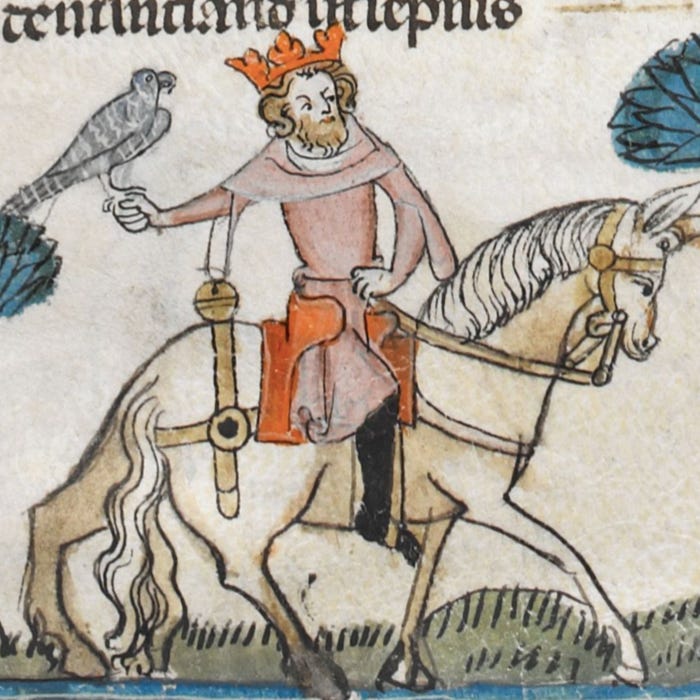
How to interpret medieval marginalia 101
—weird medieval guys in weird medieval guys
After perhaps my 9,000th time seeing someone describe medieval marginalia as ‘doodles’ or the product of ‘boredom’, I thought it might be nice to put together a brief guide to some of the themes and ideas that recur in the margins of manuscripts, hopefully helping to showcase the fact that these drawings were usually anything but ‘random’! In fact, far more interestingly, these little characters and scenes were part of a complex and visually dense world rooted in religion, pop culture, humor, and folklore.
Illuminated manuscripts were essentially always written first and illustrated second in the late Middle Ages. The scribes would add their writing to unbound, empty pages, working carefully around blank fields where painted miniatures and initials would later be added by a separate artist or artists. We do not know exactly what sort of education these artists would have obtained. However, they almost certainly would have had a degree of literacy in their native tongue and a familiarity with the scriptures they were illustrating, even if this did not extend to a firm grasp of written Latin.
Understanding this is crucial for pushing back on the idea of medieval marginalia as ‘random’, since it opens up the possibility of considering marginal drawings in relation to the rest of the page and manuscript as a whole—crucial context that is often neglected when we encounter marginalia as isolated snippets online. Artists were not simply filling in blank voids but adding adornment to a canvas already rich with meaning imparted by the scribe. Thus, the first step to understanding a piece of marginalia should always be to trace it back to its source, if possible. Have a look through the entire work and see what themes and images recur.
Works like the 13th-century English prayerbook known as the Rutland Psalter show extensive evidence of the marginal artists playing on specific words and lines from the scriptures featured on the same page. I highly recommend Betsy Chunko Dominguez’ fantastic paper “Playing on Timbrels: The Margins of the Rutland Psalter” for a more complete exposition, but I will go over a couple examples here.
In the lower margin of folio 11r of the Psalter, two men seem to be engaged in a fierce struggle, with one of them apparently trying to rip off the other’s ear. Moving their eyes back up to the start of the opposite page, a reader would have been greeted by the following line from Psalm 5:
Verba mea auribus percipe Domine intellege clamorem meum.
Give ear, O Lord, to my words, understand my cry.
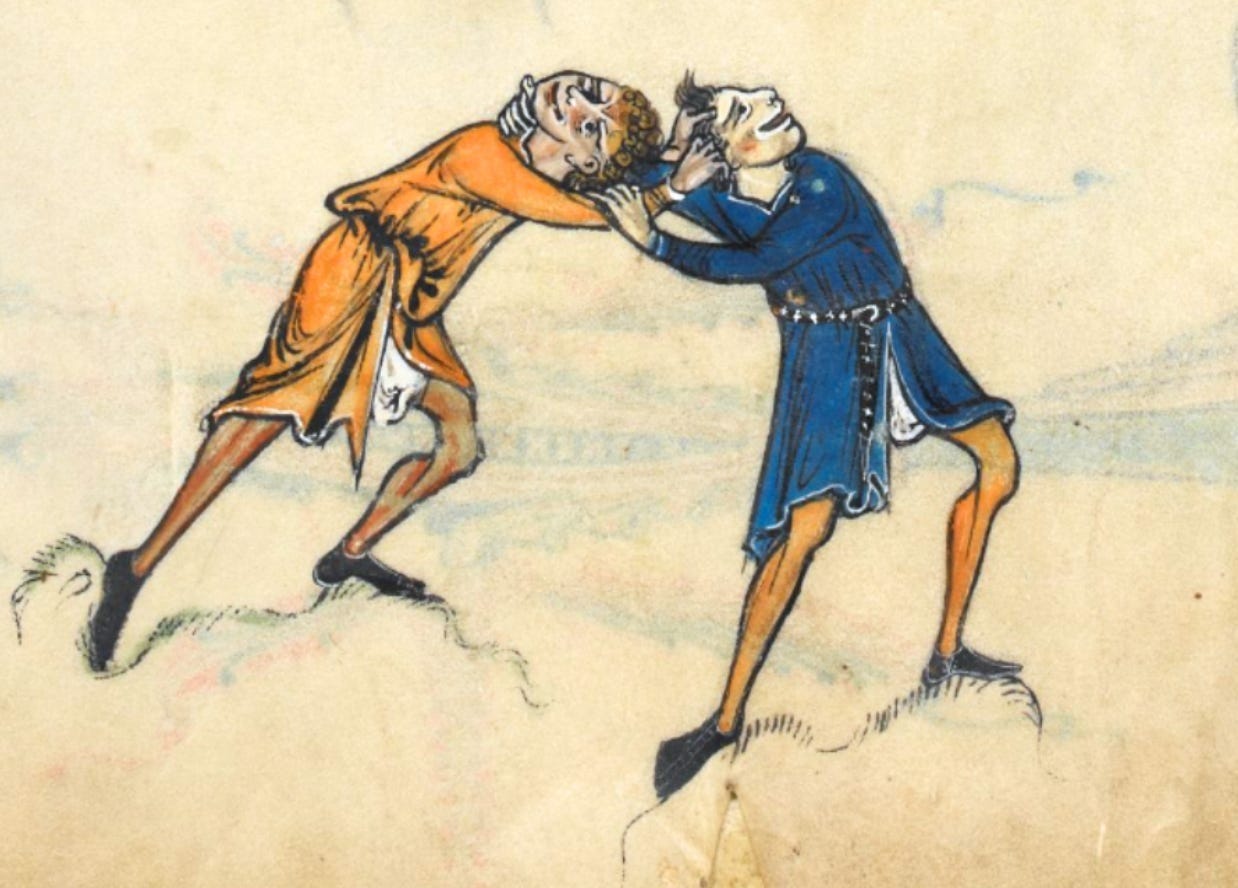
Thus, our marginal brawl becomes a clever pun on the notion of ‘giving ear’—perhaps a way of making the text more engaging and memorable for its reader.
On folio 87v, the artist has extended the letter p from the word conspectu in Psalm 86 (85 in the Vulgate) into an arrow fired from the bow of one monster into the rear end of another.
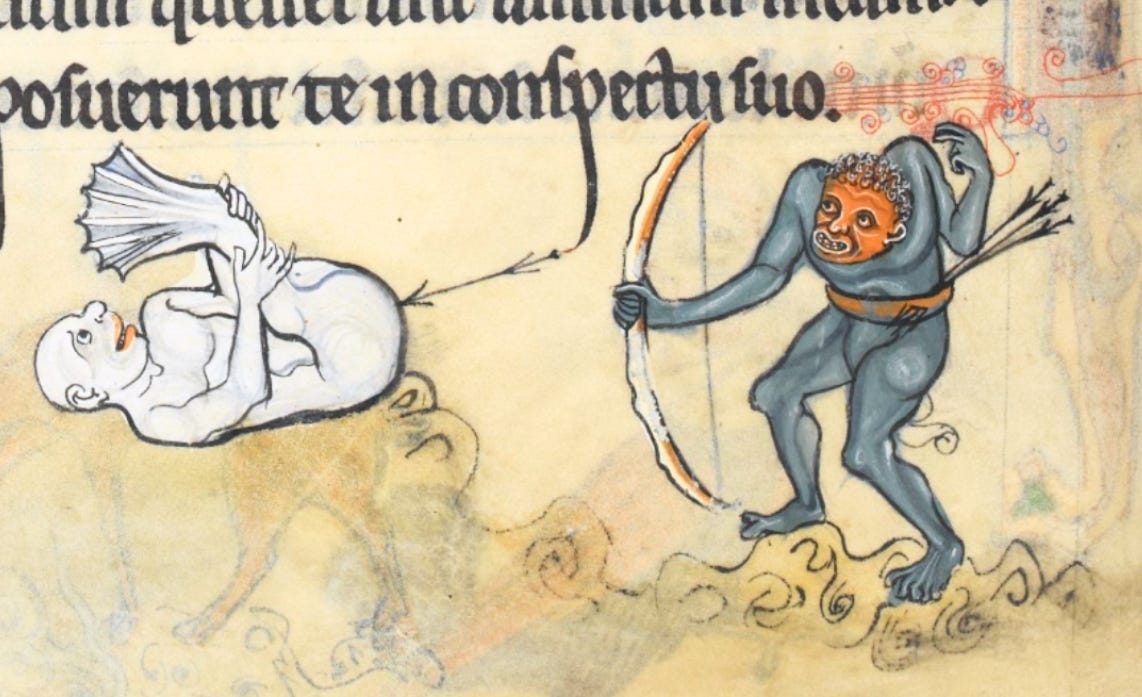
Conspectu means ‘to behold’ or ‘to consider’, and the famous medieval scholar Michael Camille connected the arrow’s placement to the notion of gaze as a type of visual penetration.

BROWSING

FILM CRITICISM
The creepypasta-to-movie pipeline
Can internet lore translate to the big screen?
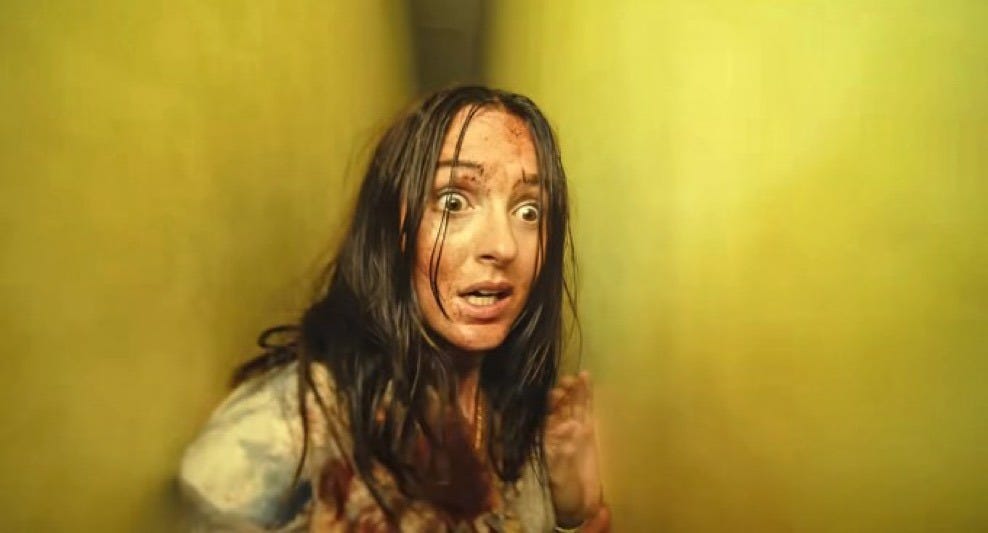
Backrooms is 6 7 for adult men
—Clare Frances in Famous and Beloved Newsletter
Backrooms, a new horror movie directed by a 20-year-old that just bulldozed the box office with an $81 million debut, is based on a viral social media idea: not a video game, not a character, not a product. The trades will tell you that it is based on a YouTube series also directed by the 20-year-old, Kane Parsons, but that’s only part of the story. The idea of “backrooms” started on 4chan, where people would post pictures of empty rooms, usually inspired by vague discussions of abandoned capitalist spaces and the liminality they conjure, and make up stories about them. This was right before COVID, whose mandated social alienation enabled media domination by short-form video, and computer-generated videos of abandoned rooms would go viral on TikTok, the platform where people now call the color wheel “color theory” and say it’s “amazing.”
But an important, primal text here is, in fact, a video game: Five Nights at Freddy’s. The first-person horror game ushered in a new era of social media content about video games, where players and viewers became indistinguishable. Where the commonplace, boomer-legible stand-in for “video game player who is way too into video game lore” was no longer a sad adult but a normal child. “Creepypasta” is now, fully, a mainstream aesthetic movement. I’m sure video game scholars will have differing perspectives, but, in overly reductive terms, that is my oral historiographic conclusion based on my research and lived experience: there is Before Freddy and After Freddy.
Freddy’s is jumpscare-based and set in an abandoned, fictional stand-in for Chuck E. Cheese. It is really high-concept and simple—a game for children—but lent itself well to retroactive lore-writing and social commentary. Despite the undercurrent of creepy, haunted animatronics, it is also basically spatial horror: your avatar is a security guard who has to explore and tinker with the abandoned space, which in sequels balloons to include rivers and theme park rides.
The popularity of Freddy’s, in tandem with Minecraft, the COVID-era ubiquity of the Nintendo Switch, and pandemic-enabled video creation, is the ecosystem wherein “backrooms” was forged as an aesthetic object of the commons. My point is that Backrooms is as much a “prestige horror” movie, a fake characteristic, as it is a kids’ movie, a real characteristic. The latter comes from its clear roots in Creepypasta junk. The former comes from its distribution, with A24 providing glossy promotion, championing an underdog 20-year-old YouTuber-director. But don’t get it twisted: Backrooms is trashy, disposable, intellectually offensive junk.

MATTERS OF THE HEART

APPEALS
A petition for a fresh start
Anna Delvey makes a case for reinvention.
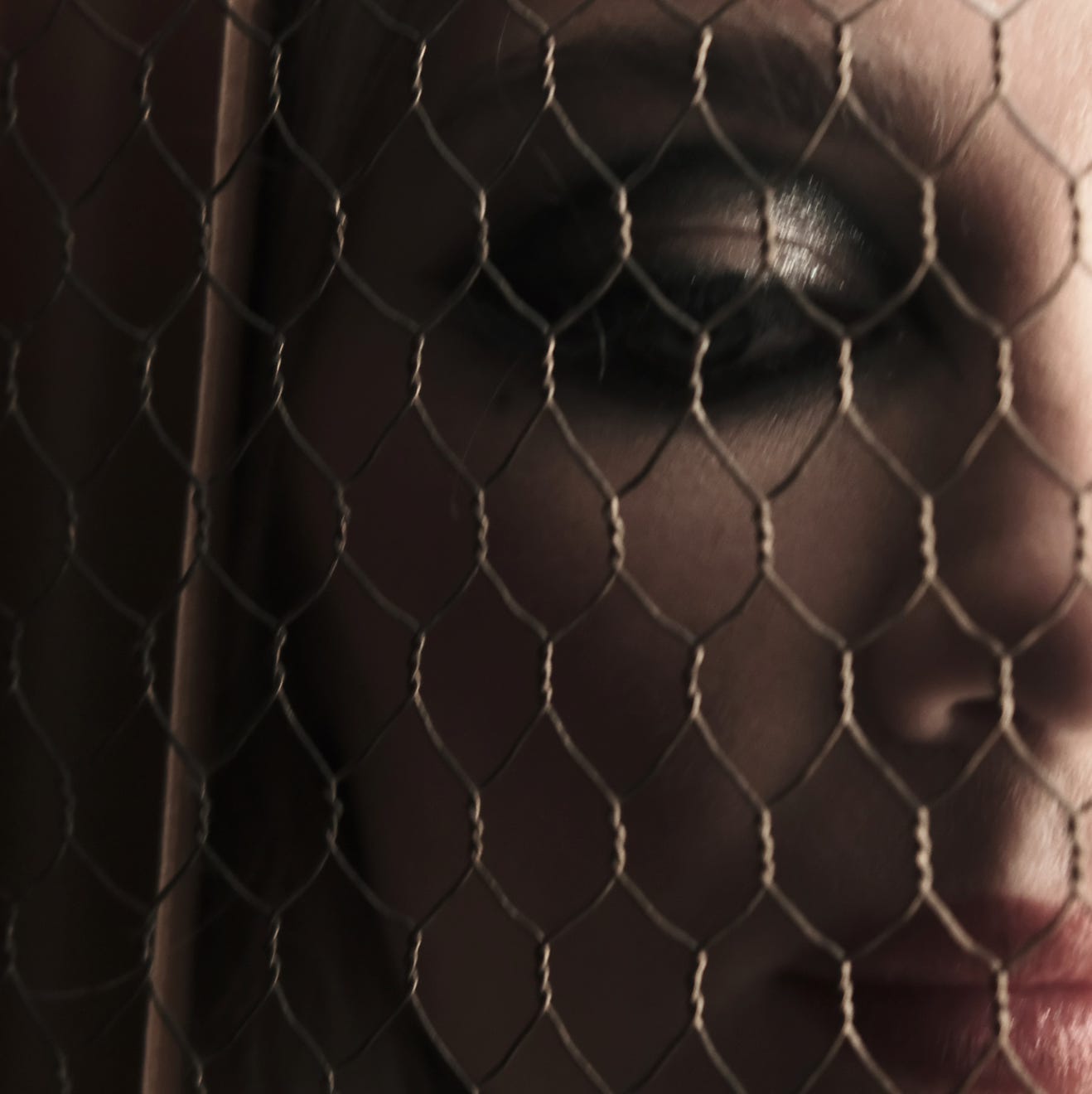
Who gets permission to move on?
—Anna Delvey in The Delvey Report
Few might know this fun fact, but paths towards your own ankle monitor are not one but plenty, and not all of them involve an unwavering commitment to a life of crime. Different models help authorities with different tasks. Some are meant to police alcohol consumption after a DUI. Others are used during criminal pretrial supervision when there’s a risk of absconding. Some enforce curfews during parole. Others are used during immigration proceedings to ensure the wearer doesn’t disappear into the country and live happily ever after as an undocumented fugitive.
To the untrained eye, however, the device itself—an updated scarlet letter in the form of a black plastic box attached to a rubber strap—looks exactly the same regardless of purpose. Absent context, the wearer could be anyone from a serial killer to a foreign nun with visa problems.
Once you’ve completed the hard part—executing the choices that led to your current circumstances—you are presented with two options. You can cover it up, or you can leave it visible.
Both choices are wrong.
You’re either flaunting it or hiding it. You’re either insufficiently remorseful or performing remorse manipulatively. Reprehensible either way.
Redemption is wonderful in theory. But in practice, redemption is apparently just deeply offensive, and surviving humiliating circumstances a little too well becomes its own kind of crime.
The public says it wants accountability, but what it actually wants is permanence. Permanent guilt, permanent silence and permanent shame. An identity frozen in its most unflattering moment and preserved until the end of time in a quick Google search result. A life sentence of public humiliation, after which you’re expected to die as the version they decided on.
I’d love to argue that most of what I’ve managed to accomplish has happened in spite of my past, not because of it. Life is already hard enough under normal circumstances, and even though I’m all for sprinkling in a healthy amount of adversity here and there, adding years of legal obstacles rarely improves the experience.
At what point, exactly, does someone stop being defined exclusively by their worst decision? Is it immediately following release from custody, the way we restore someone’s right to vote and possess money but not necessarily their right to possess dignity? Or maybe at some point in the future, like your right to own a firearm? Or is the answer Never? Because saying “well, you shouldn’t have committed a crime in the first place” means that punishment doesn’t end when the sentence does.
AGED BEEF

REQUIRED READING
The (literal) white whale of literature
For those of us who need to be reminded that “Mephistophelian” is an adjective.
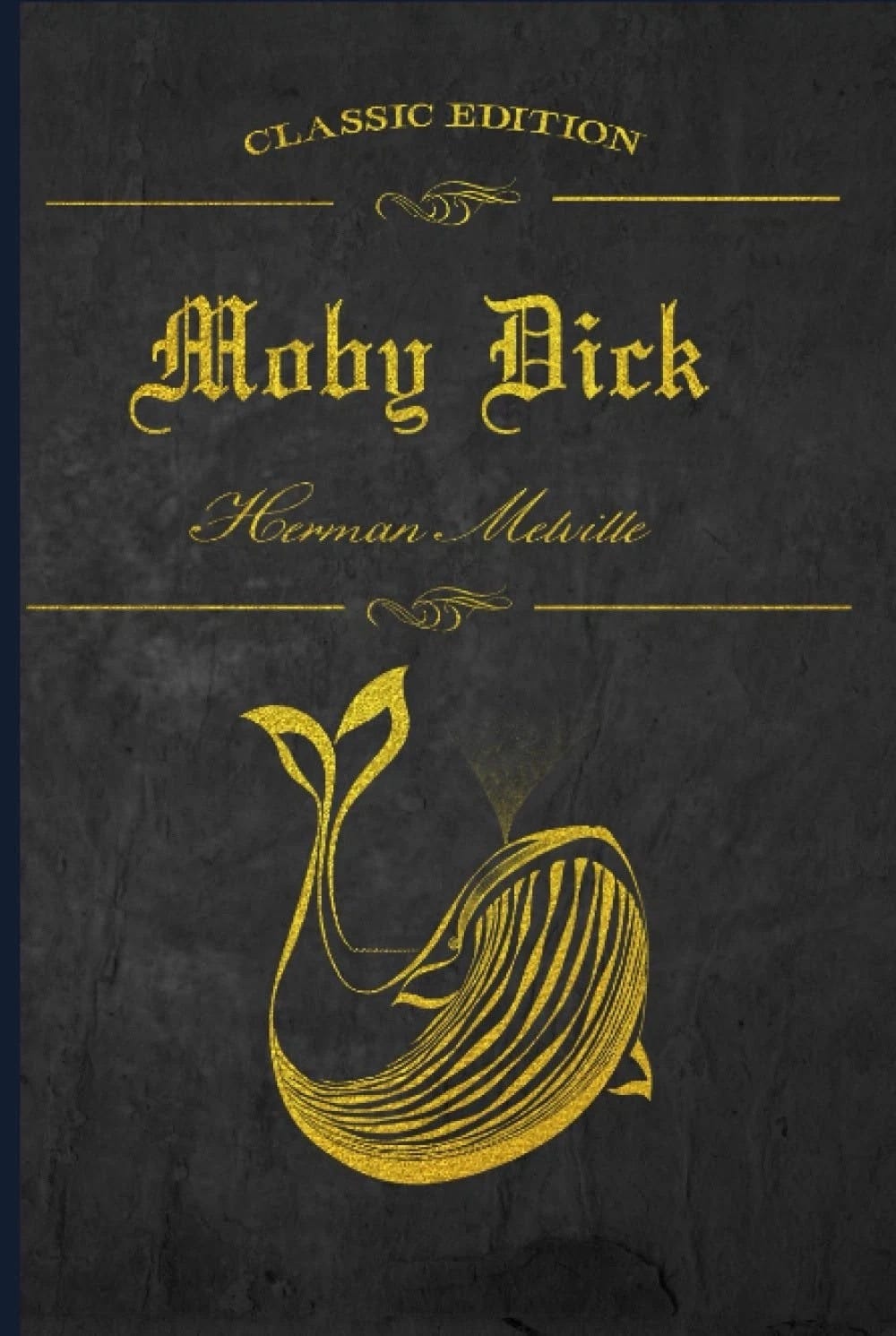
The 74 most incredible lines in “Moby Dick”
—Delia Cai in Deez Links
Well, it took nearly four months, but we made it. Shortly before leaving for the airport last week, I turned that final dastardly page in Moby Dick and felt bliss, exhaustion, a fleeting jolt of total cultural superiority, as well as the kind of Pavlovian sleepiness that comes from having ended most nights in this calendar year with at least a couple of pages of Melville’s finest.
Was it worth it? Absolutely yes, though I now think endurance for endurance’s sake should never be the prevailing motivation. (You are, after all, talking about someone who read the Bible twice in high school—partially so she could see if there were any loopholes no one was talking about, but mostly for the flex.) While I was somewhat prepared for the amazing figurative language, the meticulous whaling knowledge, the (less enjoyable) old-timey sailor rants, I wasn’t at all prepared for how funny and downright sarcastic the writing could be.
And while I do not plan to ever reread all that again, I did want to commit to memory (and maybe save you 3.5 months of your life with) a list of my favorite zingers, with page numbers included if you end up ordering the same edition (which I do recommend even though it is too fucking big to take anywhere with you… hmm… there’s a metaphor in that…). Bolding is my own; imagine I’m underlining it with a pencil to show you amidst a shared bout of literary ecstasies. Anyway, I salute you, Mr. Melville. I am also absolutely certain that you would have loved Twitter.
Why is almost every robust healthy boy with a robust healthy soul in him, at some time or other crazy to go to sea? (p.4)
What of it, if some old hunks of a sea-captain orders me to get a broom and sweep down the decks? (5)
And there is all the difference in the world between paying and being paid. The act of paying is perhaps the most uncomfortable inflection that the two orchard thieves entailed upon us. (6) (“The two orchard thieves”!! What a way to reference the reference.)
But as for me, I am tormented with an everlasting itch for things remote. (7) (Really, the whole first chapter is just perfect.)

INTERIORS
MISSED CONNECTIONS
Coy at the coffee shop
Harry Hill discovers that spending mornings away from your phone could mean an uptick in awkward eye contact.
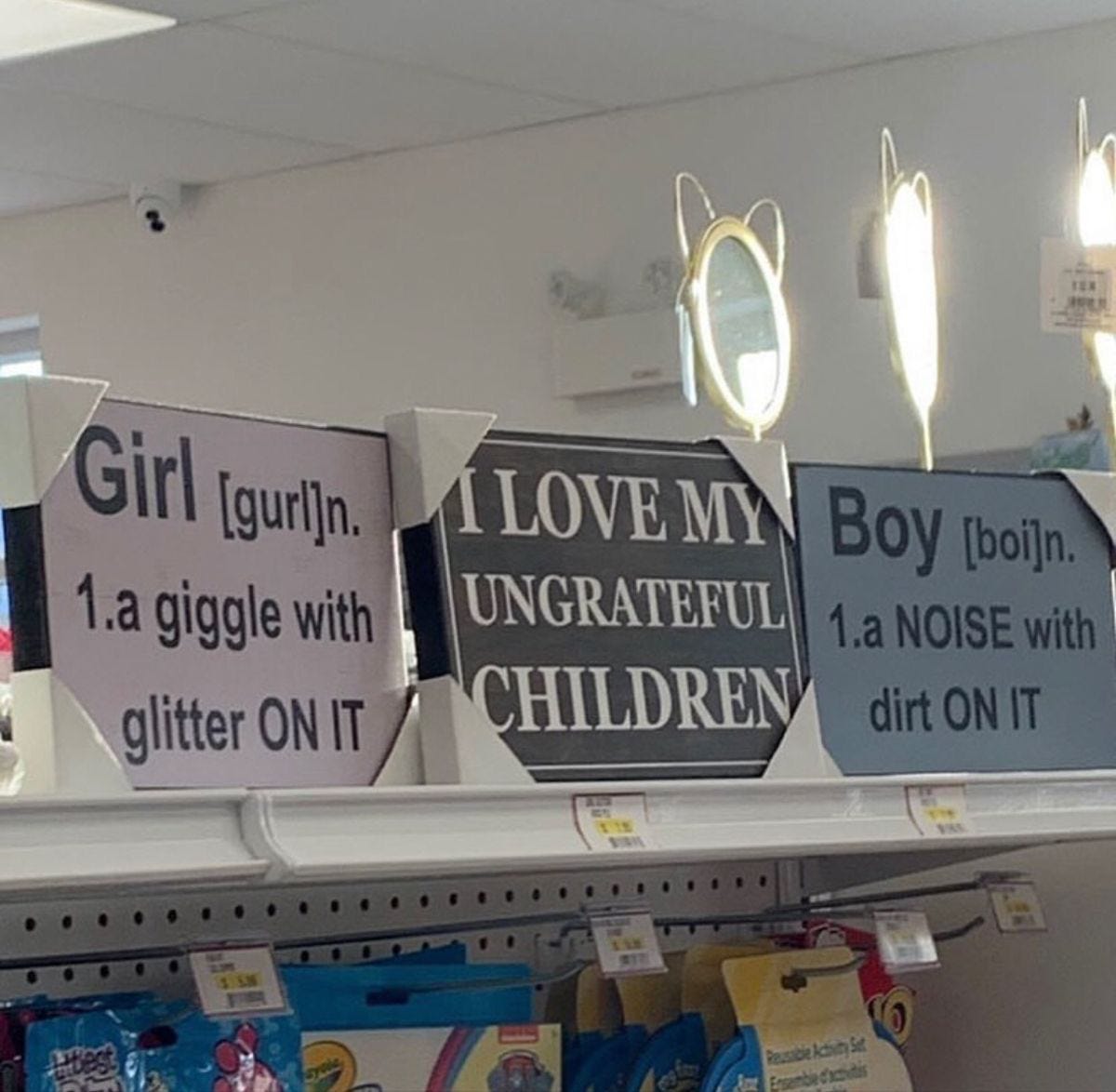
Making eye contact with a guy at the coffee shop instead of Scrolling
—Harry Hill in Stuff
I can’t stress enough how much fun it is to go outside each morning without my phone. Isn’t it a thing that deaf people see better? Or blind people taste more? The idea that when one of the senses is cut off, the others are heightened? If I’m talking out of my ass it wouldn’t be the first time. I swear I read that somewhere once. That’s what being outside without my phone feels like; I’ve cut off my nose and now my eyes can see clearer, my ears can hear louder. There’s nowhere to look but at the world around me, nothing to see except for everything.
Being outside is level 1. Going into an establishment is level 2. Making eyes with a man in said establishment? Level 3. I walked into Joe Coffee (which is lowkey one of my opps but we can discuss that another time) and ordered a cortado (randomly my new go-to as of last week) and made my way off to the side to wait for my drink. Usually at this point I’d be scrolling, chatting, waking my brain up with reels, like a bowl full of spaghetti to the face. Today, I was looking around me curiously like a baby on the subway, eyes wide in a stroller. My first time in this coffee shop without a phone. Googoo literal gaga.
And then a gay guy walked in. And I watched it happen. We locked eyes. He ordered an iced coffee, black. He turned and looked at me. I whispered a faint smile, even though he wasn’t my type (dark grey-ish hair and grumpy-looking, probably mid-30s). Again, this is where I’d go back to my phone, to my reels, to a video of a girl eating a dot cake. I stayed in the coffee shop with Grumpy and he kept looking at me. He got his iced coffee before I got my cortado and made his way over to where I was standing near the condiment station.
He gave me a look like aren’t you gonna say something? No, dude, get your Splenda and go. I wanted to say, “Hello. We aren’t getting married. I’m here without my phone and I made eye contact with you because I’m re-learning how to be on Earth after spending many, many years on Planet Reels. Enjoy your coffee.”
SELF-REFLECTION
Substackers featured in this edition
Art & Photography: Sydney Hirsch, Abby Nierman, Mariola Rosario, Catherine Lacey, Everett Williams, Kathleen Schmidt
Writing: Clare Frances, weird medieval guys, Anna Delvey, Delia Cai, Harry Hill
Recently launched
Book Gossip, New York Magazine‘s biweekly newsletter about “what the literati are really thinking” written by Jasmine Vojdani, will begin publishing on Substack. The latest letter featured an interview with Ann Patchett, a survey on how literary magazine editors are screening submissions for AI, and a scene report from Allie Rowbottom’s book launch.
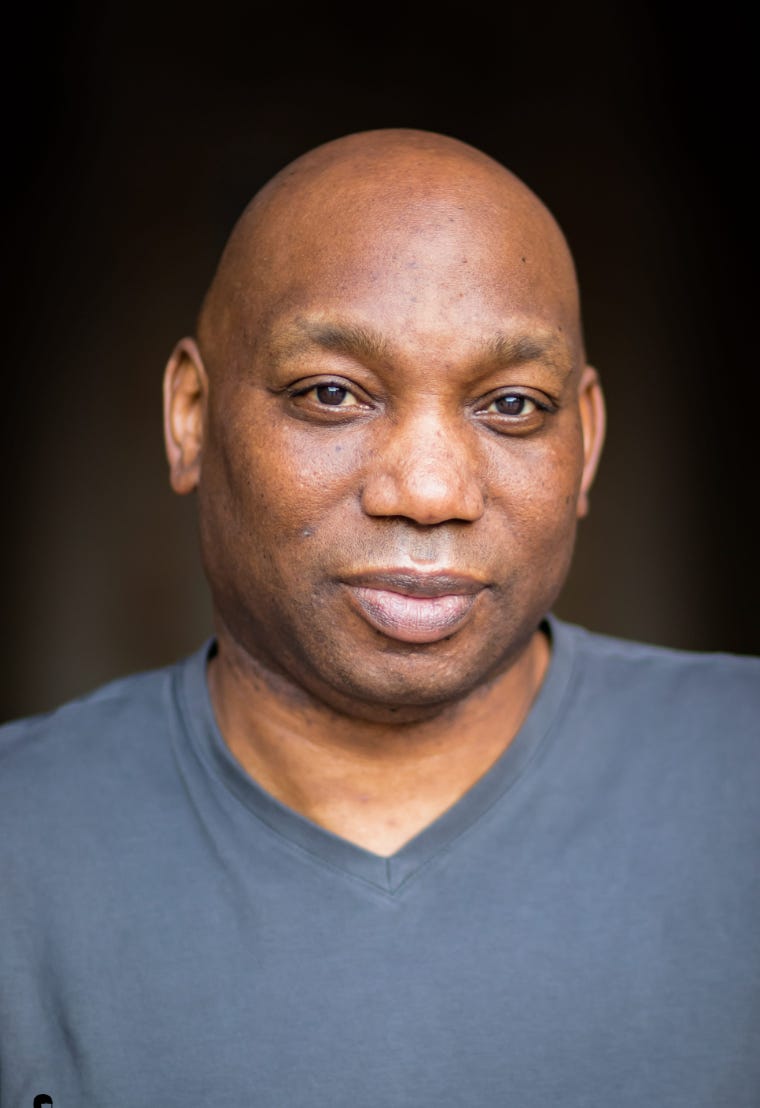
Longtime ESPN sports columnist, author, and sports documentary producer Howard Bryant has joined Substack to share his insights about stories “located at the intersection of sports and society.”

Togethxr—the women’s sports content collective co-founded by Olympians Alex Morgan, Chloe Kim, Simone Manuel, and Sue Bird—has launched a Substack. Their publication, Yeah, I Said It, will weigh in on pressing issues in women’s sports and cover signature events in depth, including the softball Women’s College World Series.

Fergal Keane, an Emmy- and BAFTA-winning BBC war correspondent, has left his post after 37 years to launch his own Substack, where he’ll cover international politics and keep a diary of his travels.
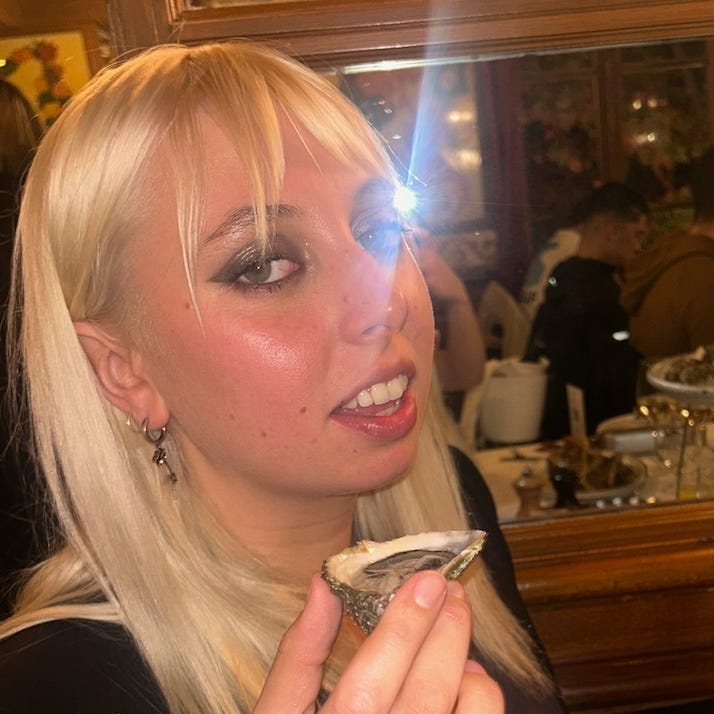
Georgia Davies, a musician in The Last Dinner Party, has joined Substack. The Hunger and the Road will serve as “part travelogue, part food diary, part confessional.”

Kilian Jornet, a professional ultramarathoner, trail runner, and ski mountaineer who has scaled Mount Everest twice in one week without supplemental oxygen, has launched a Substack. His first piece is about returning to the mountain marathon Zegama and competing on an unresponsive knee.
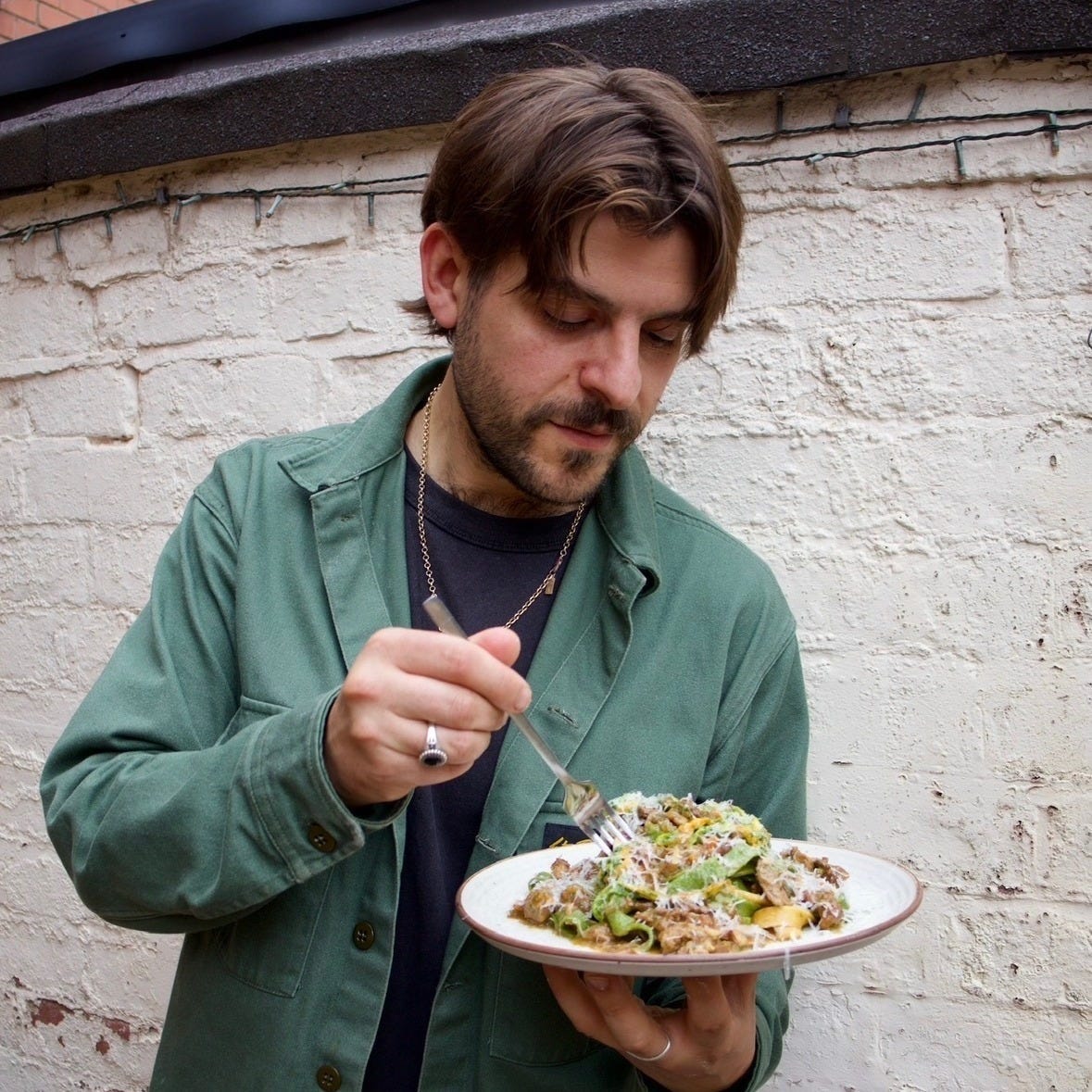
Jonny Mulyk, a chef who once ran a restaurant specializing in pasta, is now on Substack. He’ll be sending out new, weekly recipes to his subscribers.

Inspired by the writers and creators featured in the Weekender? Starting your own Substack is just a few clicks away:

The Weekender is a weekly roundup of writing, ideas, art, audio, and video from the world of Substack. Posts are recommended by staff and readers, and curated and edited by Danya Issawi out of Substack’s office in New York City.
Got a Substack post to recommend? Tell us about it in the comments.
I enjoy these periodic peeks at substacks that I would never seek on my own. Lots of ideas out there in areas that never would occur to me naturally. Thank you,
My own "art" substack https://davidecklein.substack.com/ has been dormant until recently, and these "periodic peeks" at others are helping to stimulate more activity on my part. Most appreciated.
Dear magical Substack community,
I launched a series on Substack called “They Moved the Needle” a month ago, where I invite guests to share their journey of getting their first paid user or paid client.
It can be about SaaS products, consulting, coaching, online courses, e-commerce, or selling physical goods. Basically, I am very very very actively looking for people who have moved the needle in some way and are willing to share their story as a guest post.
Fingers crossed 🤞🤞 and hoping some magic happens.